Josso Group Insights

Modular Housing & Sauna Blog

Discover industry updates, modern architecture guides, and technical insights on prefabricated modular homes.

0%

Choosing an Outdoor Modular Sauna in 2026 requires more than comparing prices and attractive timber cladding. It involves understanding heat performance, weather resistance, installation requirements, energy use, and long-term maintenance. The Global Wellness Institute reported that the global wellness economy reached approximately $6.3 trillion in 2023. It also projects growth toward $9 trillion by 2028. This expansion reflects stronger consumer interest in practical, home-based wellness spaces. Yet wellness interest alone does not guarantee a suitable sauna purchase.

Real-world details matter. A compact backyard unit may look efficient, but its foundation, drainage, ventilation, and electrical connection still require careful planning. In colder regions, insulation quality can influence warm-up time and operating costs. In wet climates, roof detailing and exterior wood protection become essential. Industry research from Grand View Research and Fortune Business Insights indicates continued growth in sauna and home wellness markets, although their market boundaries and estimates differ. That variation deserves attention.

Not every report is equally transparent.

This guide uses manufacturer specifications, recognized safety guidance, and practical installation considerations to examine Outdoor Modular Sauna options for 2026. Buyers should verify certifications, heater compatibility, warranty terms, and local building requirements before ordering. Independent testing is preferable to vague marketing claims. A sauna can feel luxurious, but poor ventilation or undersized heating equipment quickly changes the experience. Some recommendations remain subjective, especially around wood species, smart controls, and infrared technology. That is worth admitting. The best choice depends on climate, available space, bathing habits, budget, and maintenance expectations—not simply the newest features.
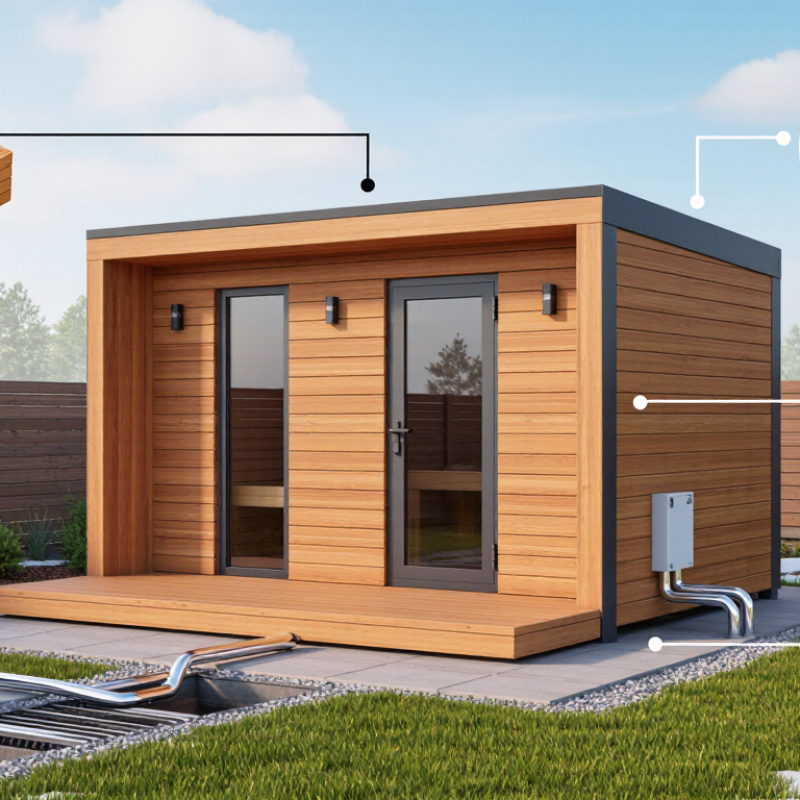
How to Choose an Outdoor Modular Sauna in 2026?

Define Your Outdoor Modular Sauna Goals and Available Space

Before comparing an outdoor modular sauna, define the experience you actually want. Will it support post-workout recovery, quiet evening rituals, or small social sessions? The answer controls seating, heater capacity, ventilation, and changing space. A two-person sauna may suit short sessions, while family use needs wider benches and safer movement. The Global Wellness Institute’s 2024 Global Wellness Economy Monitor valued the wellness economy at $6.3 trillion in 2023, showing strong demand for home wellness spaces. Demand alone is not a design brief.

Measure the site, not just the product. Record the usable footprint, door swing, roof overhang, drainage path, and delivery route. Leave practical clearance around the cabin for maintenance and airflow. A compact interior may measure about 1.2 by 1.8 meters, but exterior walls and access can require considerably more space. Check the foundation early. Soft soil, standing water, or uneven paving can create expensive movement later. Small errors matter.

Think about daily weather, too. Direct afternoon sun can overheat the cabin, while exposed wind may increase heat loss. Place it near the house, but not where steam or runoff reaches walls. Electrical planning should follow local requirements and the heater’s installation instructions. Ventilation also deserves professional review; comfort depends on controlled fresh-air movement, not simply an open door. I once underestimated the walking distance between a house and sauna. It looked fine on paper. In winter, it felt inconvenient. A beautiful plan can still be the wrong plan.

Compare Sauna Types, Materials, and Modular Construction Methods

Choosing an outdoor modular sauna in 2026 starts with use, climate, and available space. A barrel sauna heats quickly and sheds rain well, but curved walls limit bench height. A cabin-style unit offers straighter benches, easier insulation, and more flexible interior planning. An infrared model uses less heat and electricity, yet it does not deliver the same steam-rich experience. Try sitting inside one before deciding.

Material matters in wet, changing weather. Thermally modified wood resists moisture better than untreated timber, but it can cost more and feel darker. Cedar handles humidity naturally, while spruce can provide a lower-cost structure when properly sealed. Avoid relying on coating alone. Check roof flashing, floor drainage, fasteners, and ventilation paths. These details often reveal quality faster than glossy panels.

Modular construction also changes installation risk. Factory-built panels usually install faster and produce more consistent joints. Flat-pack kits may reduce delivery costs, but site assembly demands careful leveling and weatherproofing. Fully assembled modules need lifting access, a stable base, and clearance for maintenance. Ask for wall thickness, insulation type, heater certification, moisture control, and replacement-part access. One overlooked issue is electrical capacity. A qualified local professional should verify connections and grounding. I would also leave space around the sauna; tight placement makes cleaning and repairs frustrating. That compromise may matter more than appearance.

How to Choose an Outdoor Modular Sauna in 2026?

Comparing modular construction methods, insulation thickness, and practical installation requirements.

Flat-Pack Panels

Usually the fastest option for level, accessible sites. Panels commonly use timber framing with mineral wool or wood-fiber insulation.

Prefabricated Room Modules

Factory-built walls and ceilings can reduce weather exposure during installation, but transport access and lifting requirements must be checked first.

Site-Assembled Frames

This method offers the most flexibility for custom layouts, thicker insulation, and difficult locations, but normally requires more labor on site.

The chart uses representative planning values commonly found in residential modular sauna specifications. Actual installation time and insulation performance depend on access, foundation preparation, climate, wall assembly, and local building requirements.

Evaluate Heating Systems, Power Requirements, and Heat Performance

Choosing an outdoor modular sauna in 2026 starts with its heating system, not its exterior finish. Electric heaters offer predictable control and easy scheduling. Wood-fired systems provide stronger sensory appeal, but require fuel storage, chimney planning, and regular cleaning. The U.S. Department of Energy notes that electric resistance heat converts nearly 100% of consumed electricity into heat at the point of use. However, real efficiency falls when the cabin leaks heat.

Check the electrical load carefully. A 6–9 kW heater at 240 volts draws roughly 25–38 amps. That usually means a dedicated circuit, correct wiring, and professional installation. Never size the supply from the heater label alone. Outdoor cable length, winter temperature, breaker capacity, and local electrical rules also matter.

The International Energy Agency reports that heat pumps can deliver three to five units of heat per unit of electricity, but they are not a direct replacement for sauna heaters. Their lower outlet temperatures may not produce the same bathing experience.

Heat performance depends on insulation, glass area, ventilation, and stone mass. A small, well-insulated cabin may reach 80–90°C more consistently than a larger cabin with thin walls. Finnish sauna guidance commonly places traditional sauna temperatures around 70–100°C. That range is useful, but not absolute. I would question any product promising rapid heating in every climate. Wind, wet timber, and an oversized window can change the result noticeably. Test warm-up time, surface temperature, and recovery after opening the door. The numbers may look imperfect. That is often more honest.

Check Weather Resistance, Safety Features, and Installation Requirements

How to Choose an Outdoor Modular Sauna in 2026?

Weather resistance should guide your purchase. Outdoor saunas face rain, frost, ultraviolet light, and strong wind. Check the wall assembly, roof drainage, base elevation, and ventilation details. NOAA’s 1991–2020 Climate Normals provide thirty-year local data for rainfall, snowfall, temperature, and wind. Use those figures, not assumptions, when selecting insulation and roof protection. A raised foundation helps prevent water from reaching the floor. Stainless fasteners and sealed timber joints also reduce premature damage. However, a beautiful cedar shell can still fail if drainage is poorly planned.

Safety requires more than a timer. Choose a heater with overheat protection, clear controls, a protective guard, and a door that opens outward. The National Fire Protection Association reports that electrical distribution and lighting equipment appeared in 11% of U.S. home structure fires from 2016–2020. That figure deserves attention. Use a dedicated circuit, correct grounding, and GFCI or RCD protection where required. An IP rating under IEC 60529 describes water resistance, but it does not make every electrical component waterproof.

Tips:

Ask for written clearance measurements, wiring diagrams, and ventilation requirements. Confirm local permits before delivery. Measure the access route, including gates and narrow turns. Professional installation is wise for electrical connections. I would not trust a brochure alone; installation details often change the real cost. Leave room around the heater, service panel, and roof edge. Erotik

Assess Maintenance Needs, Warranty Coverage, and Long-Term Value

How to Choose an Outdoor Modular Sauna in 2026?

An outdoor modular sauna should be judged by upkeep, not only appearance. Inspect the roof joints, door seals, drainage path, and exterior cladding before purchase. Moisture often causes more trouble than heat. Choose materials that tolerate repeated rain, freezing temperatures, and strong sunlight. The cabin should also include practical ventilation, because stale air can encourage mildew and damage wood surfaces.

Maintenance costs become clearer when the seller provides a written schedule. Ask how often the exterior needs sealing, whether fasteners can be replaced easily, and how to clean the heater stones safely. Check the electrical requirements with a qualified professional. A beautiful unit can become inconvenient if servicing requires removing wall panels. Small details matter. Leave enough space around the sauna for inspection and repairs.

Warranty wording deserves careful reading. Confirm coverage periods for the structure, heater, controls, glass, and workmanship. Ask who pays for transport, replacement parts, and labor. Some warranties exclude coastal air, heavy snow, poor drainage, or unapproved modifications. That matters. Record the installation date and keep maintenance receipts. For long-term value, estimate energy use, seasonal protection, repairs, and possible component replacement over ten years. A cheaper purchase may lose its advantage through frequent sealing or difficult service access. It is easy to underestimate these costs. Heat feels simple, but ownership is not.

FAQS

How should I define my outdoor modular sauna goals?

Decide whether you want recovery, quiet evening use, or small social sessions. A two-person cabin suits short sessions. Family use needs wider benches and safer movement. Demand alone is not a design brief.

What should I measure before choosing a sauna?

Measure the usable footprint, door swing, roof overhang, drainage path, and delivery route. A compact interior may measure 1.2 by 1.8 meters. Exterior walls require additional space. Small errors matter.

How much clearance does an outdoor sauna need?

Leave practical clearance around the cabin for airflow and maintenance. Keep steam and runoff away from house walls. Check local placement requirements before installation. Access matters later.

What foundation conditions should I check?

Inspect for soft soil, standing water, and uneven paving. These conditions can cause movement and costly repairs. A stable, level foundation supports safer use. Do not guess.

How does weather affect sauna placement?

Direct afternoon sun can overheat the cabin. Exposed wind may increase heat loss. A nearby location usually feels more convenient during winter. I once underestimated that walking distance.

Which heating system suits an outdoor modular sauna?

Electric heaters provide predictable control and easier scheduling. Wood-fired systems create a stronger sensory experience. They also need fuel storage, chimney planning, and regular cleaning. Check local installation rules.

What electrical requirements should I consider?

A 6–9 kW heater at 240 volts draws roughly 25–38 amps. It usually needs a dedicated circuit and correct outdoor wiring. Professional installation is strongly advisable. Never rely on the heater label alone.

What affects sauna heating performance?

Insulation, glass area, ventilation, wind, wet timber, and stone mass all affect heat. A small, well-insulated cabin may reach 80–90°C more consistently. Traditional sauna temperatures often range from 70–100°C. Results vary.

How can I judge a manufacturer’s heating claims?

Ask for warm-up time, surface temperature, and recovery data after opening the door. Test performance in your local climate when possible. A large window may slow heating noticeably. Perfect claims deserve questions.

Conclusion

Choosing an Outdoor Modular Sauna in 2026 begins with identifying your wellness goals, preferred sauna experience, and the space available on your property. Consider whether you need a compact unit for occasional relaxation or a larger structure for regular family use. Compare sauna styles, interior and exterior materials, insulation quality, and modular construction methods to find the right balance of comfort, durability, appearance, and budget.

Heating performance is equally important, so review electric, wood, or other suitable systems, along with power requirements, ventilation, warm-up time, and temperature control. Before purchasing, confirm that the sauna can withstand local weather conditions and includes appropriate safety features, stable flooring, secure access, and clear installation requirements. Finally, evaluate cleaning routines, wood care, replacement parts, warranty coverage, delivery, and professional setup options. A well-chosen sauna should provide reliable performance, manageable maintenance, and lasting value for years of outdoor use.

Evelyn

Evelyn

Evelyn is a dedicated marketing professional with a strong understanding of the company’s products, customers, and industry landscape. With a practical approach to communication and a passion for clear, useful information, Evelyn regularly contributes expert articles to the company’s professional......