Featured Light Gauge Steel & Modular Units
Explore our export-grade Light Gauge Steel (LGS) framing solutions, flat-pack container structures, and prefabricated expandable housing units optimized for global residential, commercial, and emergency deployments.
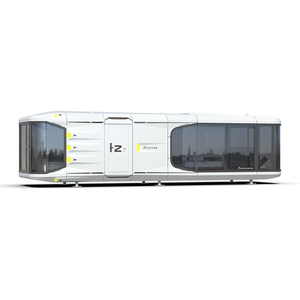
Zcamp Z7 Prefabricated Modular Portable Tiny House
Engineered for high mobility and quick installation in tropical and island environments such as the Philippines. Integrated LGS skeleton with thermal insulation panels.
Contact Us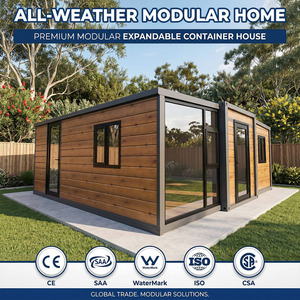
Modular Expandable Villa for Hospitality & Resort Use
Luxury multi-functional expandable structure. Combines cold-formed steel chassis with eco-friendly interior finishes for eco-resorts and boutique hotels.
Contact Us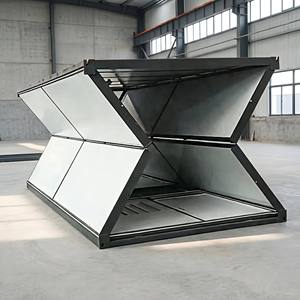
Z-Type Foldable Quick-Erect Modular Living Container
Ultra-fast folding construction system designed for rapid deployment. Reduces ocean freight bulk while offering robust wind and seismic resistance.
Contact Us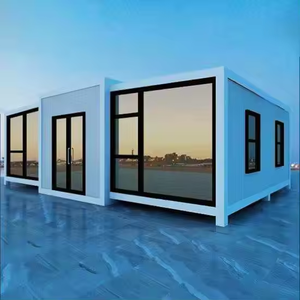
High-End Light Gauge Steel Luxury Residential Villa
Architectural-grade LGS structural frame home featuring customized cladding, glass curtain walls, and superior energy efficiency standards.
Contact Us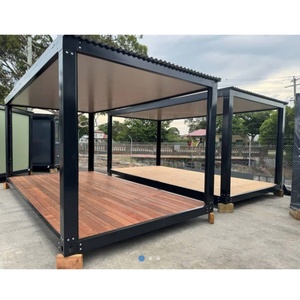
20ft Structural Detachable LGS Frame System
Heavy-duty structural framework ideal for modular expansion projects, site offices, and multi-unit temporary staff quarters.
Contact Us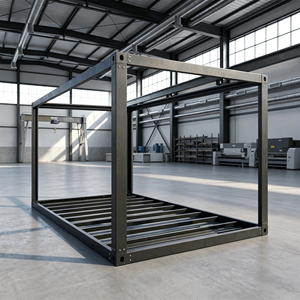
Outdoor Disassemblable Flat-Pack Steel Structure
Precision cold-formed galvanized profiles designed to withstand harsh atmospheric conditions, saline breeze, and intense weather variations.
Contact Us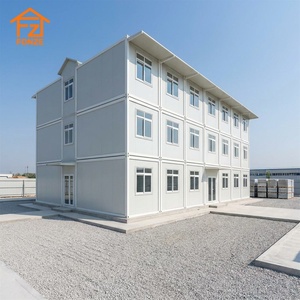
Disaster Relief & Rapid Shelter Flat-Pack System
Cost-effective, rapidly deployable prefabricated units optimized for humanitarian aid, municipal relief, and temporary workforce accommodation.
Contact Us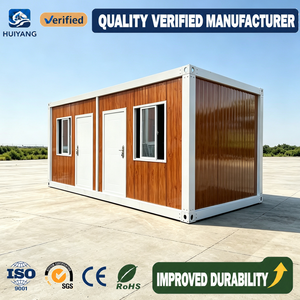
Customized Eco-Friendly Modular Studio Apartment
Tailor-made prefabricated residential housing unit engineered with low VOC materials, high-density acoustic insulation, and smart layout design.
Contact UsThe Science of Light Gauge Steel (LGS) Construction
Light Gauge Steel (LGS) construction—also designated as Cold-Formed Steel (CFS) framing—represents a structural revolution in offsite modern methods of construction (MMC). Utilizing high-tensile structural steel sheets (typically G550 grade with yield strengths exceeding 550 MPa), LGS profiles are roll-formed at ambient temperatures into exact C, Z, and hat-section profiles with sub-millimeter tolerances.
As international developers and municipal housing authorities seek sustainable, resilient, and labor-efficient alternatives to traditional concrete cast-in-place masonry and timber stick framing, China's advanced manufacturing ecosystem has emerged as the global epicenter for LGS innovation, engineering design, and export-scale production.
High Strength-to-Weight Ratio
LGS frames are up to 60% lighter than timber framing and 80% lighter than cast concrete. This drastically minimizes structural foundation requirements and cuts transport costs.
Seismic & Typhoon Resistance
Inherent ductility enables LGS buildings to absorb seismic kinetic energy. Systems engineered by top Chinese exporters comply with Seismic Zone 9 and withstand typhoon winds exceeding 250 km/h.
Rapid Offsite Fabrication
Automated CAD-to-CAM manufacturing integrates dimpling, swaging, service holes, and inkjet marking directly into the roll-forming process, accelerating onsite erection by up to 70%.
Metallurgical Standards & Protective Coatings
The long-term performance of cold-formed structural steel depends heavily on metallic coating integrity to prevent oxidation and environmental degradation. Chinese top-tier manufacturers adhere strictly to international standards such as ASTM A1003, AS 1397, and EN 10346.
Profiles are primarily coated with hot-dip zinc (galvanized) or aluminum-zinc alloy (Galvalume / ZINCALUME). For high-humidity coastal applications, an AZ150 (150 g/m² aluminum-zinc coating) or Z275 (275 g/m² zinc coating) is specified to deliver a minimum maintenance-free structural service life exceeding 50 years.
Comparative Engineering Analysis
To assist structural engineers, procurement directors, and developers in decision-making, the following matrix compares Light Gauge Steel against conventional building methodologies across key structural performance indexes:
| Performance Criteria | Light Gauge Steel (LGS) | Timber Stick Framing | Reinforced Concrete (RC) | Heavy Structural Steel |
|---|---|---|---|---|
| Yield Strength / Structural Modulus | 550 MPa (High Grade) | 10 – 30 MPa (Variable) | 25 – 40 MPa (Compressive) | 235 – 355 MPa |
| Construction Speed | Ultra-Fast (Offsite Prefab) | Moderate | Slow (Curing Required) | Moderate to Fast |
| Termite & Rot Resistance | 100% Immune | Vulnerable (Needs Treatment) | 100% Immune | 100% Immune |
| Fire Performance (Combustibility) | Non-combustible (Class A1) | Combustible | Non-combustible | Non-combustible |
| Dimensional Stability | Zero shrinkage, twist, or warp | Moisture-dependent warping | Minor shrinkage creep | High stability |
| Embodied Carbon / Recyclability | 100% Recyclable steel | Renewable (if managed) | High carbon footprint | 100% Recyclable |
Global Procurement & Architectural Trends (2025–2035)
As the international construction industry faces severe skilled labor shortages, rising material costs, and stringent net-zero environmental regulations, procurement strategies are undergoing a structural shift toward Chinese LGS and modular export hubs. Key trends shaping the decade include:
1. BIM & Digital Twin Integration
Building Information Modeling (BIM) software like FrameCAD, Vertex BD, and Tekla integrates directly with factory CNC machinery. This guarantees 100% structural alignment offsite, eliminating spatial conflicts before steel profiles are cut.
2. Hybrid LGS-Container Systems
Combining heavy ISO shipping container corner posts with LGS interior infill walls provides maximum structural rigidity for multi-story modular stacks, while reducing total superstructure weight and insulation cold-bridging.
3. Ultra-Low Thermal Transmittance (Passive House)
Modern LGS designs incorporate continuous exterior insulation (EIFS), thermal break strips, and rockwool/polyurethane core panels, achieving U-values as low as 0.15 W/m²K for extreme arctic or desert environments.
Why Source LGS Housing from Leading Chinese Manufacturers?
China's prefabricated building export sector has matured into a sophisticated high-tech supply ecosystem. Industry leaders integrate architectural design, structural engineering, precision fabrication, interior finishing, and global logistics under one unified Quality Management System (ISO 9001, ISO 14001, OHSAS 18001).
- Automated CNC Manufacturing Lines: High-speed cold roll-forming machinery operates with tolerances within ±0.5mm, ensuring seamless job site assembly without on-site cutting or welding.
- Comprehensive Compliance with Global Codes: Engineered structural calculations compliant with US International Building Code (IBC), European Eurocodes (EN 1993-1-3), Australian/New Zealand Standards (AS/NZS 4600), and British Standards (BS 5950).
- Turnkey OEM/ODM Capability: Complete supply of structural steel framing, wall cladding (fiber cement, PU sandwich panels, WPC), roofing systems, doors, thermal insulation, electrical conduits, and sanitary fixtures packed in optimized containerized freight.
Frequently Asked Questions (B2B Procurement FAQ)
Detailed technical answers for developers, architects, and importers seeking to evaluate Light Gauge Steel housing systems for upcoming commercial or residential tenders.
Q: What is the structural lifespan of a light gauge steel house in coastal or tropical regions?
With high-grade AZ150 aluminum-zinc alloy or Z275 hot-dip galvanized steel coatings combined with proper exterior moisture barrier membranes, LGS structures have an engineered service life exceeding 50 to 100 years. Corrosion resistance is maintained even in high-salinity coastal environments when isolated from direct salt spray.
Q: How does LGS framing handle structural thermal bridging?
Thermal bridging through steel studs is eliminated by installing continuous thermal break materials on the exterior face of the steel frame prior to mounting exterior cladding. Utilizing insulation boards such as Extruded Polystyrene (XPS) or Polyisocyanurate (PIR) creates an uninterrupted thermal envelope meeting modern Energy Code requirements.
Q: Can Chinese LGS homes meet local building permit standards in North America, Europe, and Australia?
Yes. Tier-1 Chinese exporters provide full structural engineering packages stamped by licensed structural engineers (PE/RPEQ) in destination countries. Design calculations utilize software compatible with international design codes including AISI S100 (USA), Eurocode 3 (Europe), and AS/NZS 4600 (Australia/New Zealand).
Q: What are the container loading logistics for flat-pack container houses vs. LGS frame kits?
LGS frame kits are bundled into compact, sequential installation packs, allowing up to 150–200 sq. meters of floor area structure to be shipped in a single 40ft High Cube (40HQ) sea container. For flat-pack container units, typically 4 to 6 units can be shipped per 40HQ container depending on dimensions and pre-assembly levels.
Q: What fire resistance rating (FRR) can LGS wall assemblies achieve?
By combining non-combustible G550 steel studs with fire-rated Gypsum board, Magnesium Oxide (MgO) board, and rockwool insulation core (density ≥ 60 kg/m³), wall assemblies routinely achieve 1-hour, 2-hour, or up to 4-hour Fire Resistance Ratings under ASTM E119 and EN 1364 testing standards.
Q: Is specialized heavy equipment required for on-site erection?
No. Because individual LGS studs and trusses are lightweight, small to medium residential buildings can be assembled manually using standard handheld power tools (screw guns, rivets, impact drivers). Heavy cranes are only required for fully volumetric pre-assembled container modules or heavy steel chassis lifts.
Partner with China's Premier Light Gauge Steel Exporter
Whether you require custom LGS framing kits, modular flat-pack containers, or structural engineering consultancy for large-scale housing projects, our engineering group delivers certified, cost-effective solutions worldwide.