Industrial Engineering & Solar Prefab Integration
As global energy mandates tighten and building construction transitions toward decarbonization, the convergence of photovoltaic renewable energy generation and advanced offsite prefabricated modular housing has become the benchmark for modern architectural procurement. China has emerged as the global leader in industrial modular manufacturing, combining high-precision robotic steel fabrication with cutting-edge monocrystalline silicon PV technologies. This enterprise whitepaper evaluates the structural engineering, microgrid thermodynamics, supply chain logistics, and strategic procurement parameters of solar-powered modular homes exported worldwide.
With decades of combined engineering expertise, specialized manufacturers like Josso Group redefine prefabricated architecture by integrating structural light-gauge steel framing, thermal break insulation barriers, lithium iron phosphate (LiFePO4) energy storage systems (ESS), and intelligent Energy Management Systems (EMS). This technical overview provides commercial buyers, resort developers, municipal planning boards, and B2B importers with comprehensive actionable insights to optimize capital expenditure (CAPEX) while securing net-zero building energy independence.
Flagship Solar Powered Modular Home Catalog
Explore our certified portfolio of solar-integrated modular structures, engineered for climate resilience, rapid field assembly, and complete off-grid autonomy.
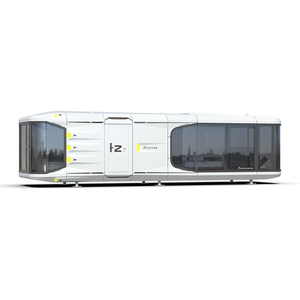 Solar Microgrid Ready
Zcamp Z7 Prefabricated Modular Portable Ready Made Tiny Flat Pack Container Van House
Designed specifically for island and remote residential deployments, featuring folding structural joints, high U-value polyurethane spray insulation, and plug-and-play solar array cabling.
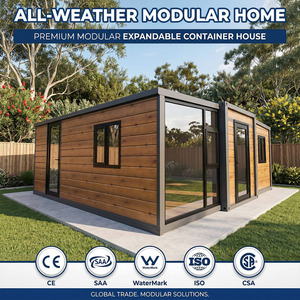 Expandable Villa
Container House Prefabricated Modular Mobile Home Villa Expandable House For Hotel
Engineered for high-end eco-resorts and boutique glamping developments, offering a 36-sqm footprint when unfolded, complete with solar thermal hot water heating and smart HVAC controls.
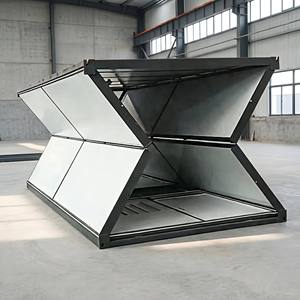 Fast Deployment
Container Houses Z Type Foldable Cheap Ship Home Prefab House Premade Flat Pack
Optimized for emergency shelter command centers, mining camps, and rapid housing setups. Features seamless Z-fold hinges and factory-installed solar roof wiring harnesses.
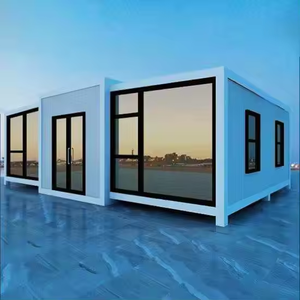 Luxury Architectural
Cost Price Prefabricated Houses Villas All With Prefab Villa Luxury Container House
A luxury multi-module residence engineered with floor-to-ceiling glass facades, integrated solar pergola shade structures, and central smart energy management.
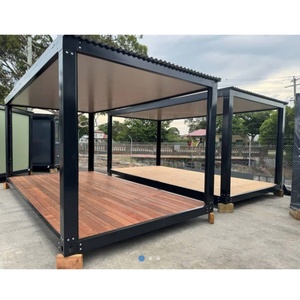 Structural Chassis
Prefab Detachable 20ft Steel Structure Container House Frame Portable Modular Frame
The base modular chassis designed for custom commercial assembly. Pre-drilled for wiring conduits, solar inverter racking, and modular panel stacking up to 3 stories high.
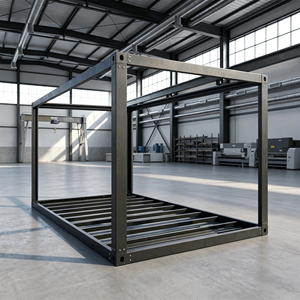 Heavy Outdoor Duty
Steel Modular Prefabricated Container Structure Flat-Pack Disassemblable House Frame
Optimized for extreme ambient environments, including high-salinity coastal areas and desert off-grid installations. Easily accommodates top-tier photovoltaic panels.
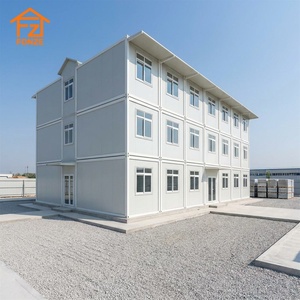 Disaster Relief
Flat Pack Container Home Portable Temporary House Prefabricated Disaster Relief Housing
Rapidly shippable modular units providing immediate self-sustaining electricity, clean lighting, and water purification interface for humanitarian and defense projects.
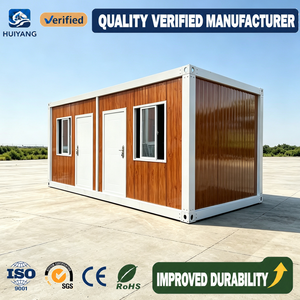 Commercial Micro-Suite
Customized Eco-friendly Prefabricated Container Houses For Modular Residential Offices
A versatile solution configured for modern co-working hubs, single-tenant residential studios, and urban infill housing requiring zero utility grid connection.
Enterprise Strengths & Production Capability Matrix
When procuring solar-powered prefabricated buildings from China, technical buyers must evaluate manufacturing infrastructure, structural integrity certifications, thermal engineering, and power microgrid integration. Pioneer suppliers like Josso Group have bridged the gap between modern architectural ergonomics and offsite industrial automation.
Offsite Precision Manufacturing
Utilizing automated CNC cold-formed steel shaping equipment, every structural column and truss is fabricated to tolerances under 0.5mm. This guarantees flawless modular locking during field assembly, eliminating thermal bridging and water infiltration.
BIPV & Microgrid Integration
Rather than retrofitting bulky panels on finished roofs, our systems incorporate Building Integrated Photovoltaics (BIPV) directly into high-durability standing seam steel roofing tiles, connected to pre-certified MPPT hybrid inverters and LiFePO4 battery storage.
Global Compliance & Climate Testing
All modular structures comply with international structural loading codes including CE EN1090 steel execution, US IBC standards, and Australian AS/NZS 1170 wind load guidelines. Systems are factory tested under simulated 120km/h gale winds and heavy snowfall.
Engineering Benchmark: Solar Modular Homes vs. Standard Construction
| Engineering Parameter | Solar-Powered Prefab Modular | Conventional Modular Homes | Traditional On-Site Masonry |
|---|---|---|---|
| Construction Timeline | 15 - 30 Days (Offsite + Onsite) | 45 - 60 Days | 180 - 360 Days |
| Thermal Transmittance (U-Value) | 0.18 - 0.22 W/m²K (Ultra-Efficient) | 0.35 - 0.50 W/m²K | 0.60 - 1.20 W/m²K |
| Energy Autonomy Ratio | 85% - 100% Off-Grid Capable | 0% (Requires Utility Grid) | 0% (Requires Custom Solar Retrofit) |
| Structural Seismic Rating | Intensity 8.5 (Ductile Steel Frame) | Intensity 7.0 | Varies (Brittle Shear Cracking) |
| Containerized Logistics | Flat-Pack (4 Units / 40ft HQ Container) | Fully Assembled (High Shipping Volume) | Raw Material Bulk Transport |
| Operational Carbon (25Y) | Net Zero Carbon Neutral | High Carbon Overhead | Extreme Energy Consumption |
Future Procurement Trends in Solar Modular Construction
As commercial entities and residential land developers navigate rising energy prices and environmental compliance mandates (such as the EU Energy Performance of Buildings Directive and US Title 24), the modular procurement landscape is undergoing three major technical shifts:
1. Standardized Hybrid BIPV Solar Roofs
The industry is rapidly abandoning post-mounted roof solar racks in favor of factory-cured Monocrystalline BIPV metal roofing sheets. These dual-purpose structural elements serve as both weather-tight protective roof cladding and electricity generators, reducing total dead load by 35%.
2. Smart Inverter & Solid-State Storage
Modern off-grid modular units are now equipped with hybrid bidirectional MPPT inverters integrated with cloud-based telemetry. Importers can remotely monitor solar yield, battery state-of-charge (SoC), and ambient interior temperatures across thousands of deployed housing assets worldwide.
3. Low-Carbon Circular Material Sourcing
Global developers demand full Environmental Product Declarations (EPDs). Leading Chinese suppliers utilize 100% recyclable structural steel, zero-VOC powder coatings, and bio-based PU foam insulation panels, ensuring high BREEAM and LEED rating potential for international buyers.
Industry & Solar Technology Breakthroughs
The technical advancement of Chinese solar modular homes is driven by breakthroughs in chemical battery safety, thermal physics, and lightweight structural steel engineering. In traditional off-grid housing, winter solar drop-offs and HVAC energy loss presented significant challenges. Today, advanced Energy Recovery Ventilators (ERV) combined with phase-change insulation materials maintain stable indoor air temperatures between 20°C and 24°C while consuming up to 65% less electricity.
Furthermore, the integration of high-cycle LiFePO4 chemistry (exceeding 6,000 charge cycles at 80% Depth of Discharge) ensures an operational lifespan of over 15 years for energy storage units. When paired with smart load shedding—automatically prioritizing critical circuits like refrigeration, emergency lighting, and water pumping during low-irradiance periods—solar modular homes deliver unmatched reliability in remote, harsh, or off-grid environments.
B2B Procurement FAQs: Solar Modular Homes
Answers to key technical, logistical, and commercial inquiries from global buyers, developers, and trade importers.
Partner with China's Premier Solar Modular Exporter
Whether you are planning a 100-unit eco-resort development, modern residential off-grid community, or commercial micro-grid office park, our engineering team provides complete architectural design, structural calculations, factory procurement, and global logistics support.