Featured Off-Grid Modular Housing Systems
Factory-engineered expandable, flat-pack, and steel-frame modular structures ready for global export.
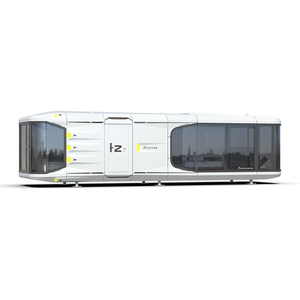
Zcamp Z7 Prefabricated Modular Portable Ready Made Tiny Flat Pack Container Van House
Contact Us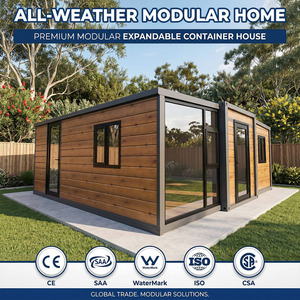
Container House Prefabricated Home Tiny Home Container Modular Mobile Home Villas For Hotel
Contact Us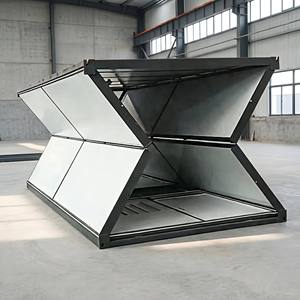
Container Houses Z Type Foldable Cheap Ship Home Prefab House Premade Flat Pack Units
Contact Us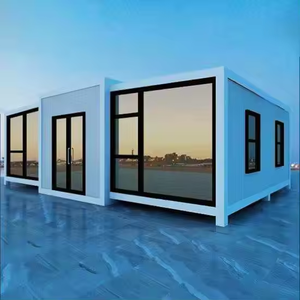
Cost Price Prefabricated Houses Villas All With Prefab Villa Luxury Container House Engineering
Contact Us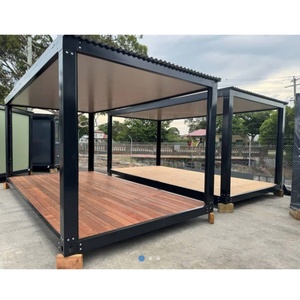
Prefab Detachable 20ft Steel Structure Container House Frame Portable Tiny House Frame
Contact Us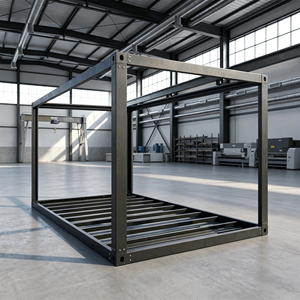
Steel Modular Prefabricated Container Structure Flat-Pack Disassemblable House Frame
Contact Us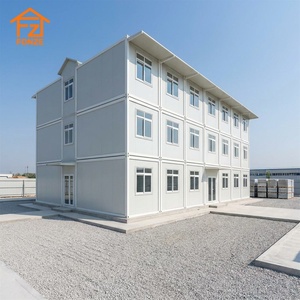
Flat Pack Container Home Portable Temporary House Prefabricated Relief Building
Contact Us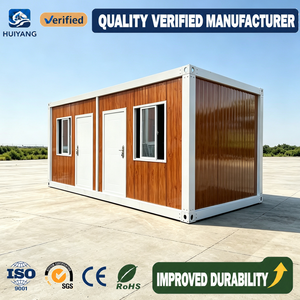
Customized Eco-friendly Prefabricated Container Houses For Modular Residential Offices & Apartments
Contact UsExecutive Briefing: Technological Architecture of Chinese Off-Grid Modular Homes
An engineering-grade analysis for B2B developers, resort operators, and procurement directors evaluating off-site manufacturing facilities.
The global shift toward decentralized infrastructure, eco-hospitality, and remote residential development has repositioned China’s advanced modular manufacturing sector. Sourcing directly from top tier Chinese off-grid modular home factories offers global buyers unprecedented capital expenditure efficiency while guaranteeing compliance with strict structural, thermal, and electrical benchmarks across North America, Europe, Australia, and the Pacific region.
Unlike standard prefabricated container units designed purely for temporary site offices, modern off-grid modular units integrate heavy-gauge cold-formed Q355B galvanized steel structural frameworks, passive-house standard thermal envelopes, and factory-tested photovoltaic energy storage systems (BESS). Chinese OEM manufacturing hubs have evolved from basic chassis assembly to fully integrated, offsite volumetric and panelized hybrid production lines capable of producing structurally self-sufficient living spaces engineered for wind loads up to 250 km/h (Category 5 hurricane ratings) and seismic resistance reaching Grade 8+.
To capture maximum commercial value, global procurement teams must understand the technical alignment between off-grid utility infrastructure (solar PV array sizing, battery chemistry, atmospheric water generation, and greywater filtration) and factory-level structural engineering. Factory pre-integration eliminates up to 85% of trade labor costs at the destination site, turning complex remote construction into an expedited assembly operation.
Integrated Solar Microgrids
Factory-installed roof-integrated mono-crystalline solar panels paired with high-efficiency MPPT controllers and LiFePO4 battery banks (10kWh to 50kWh configurations), providing uninterrupted power in completely isolated environments.
Thermal Envelope Systems
Advanced continuous insulation utilizing high-density Polyisocyanurate (PIR) or hydrophobic Rockwool core panels (density > 120kg/m³). Thermally broken aluminum window profiles feature argon-filled low-E double or triple glazing.
Autonomic Water & Sanitation
Multi-stage rainwater collection channels connected to 5-micron UV sterilization filters, closed-loop greywater recycling tanks, and dry-composting or energy-efficient incinerating toilet units for absolute utility independence.
Future Procurement Trends (2025–2030)
Key strategic vectors reshaping international procurement of off-grid modular housing systems.
1. Hybrid Volumetric-Panelized Shipping Optimization (CKD/SKD Evolution)
Shipping costs historically impacted the ROI of fully assembled volumetric modular homes. Leading Chinese factories now utilize Completely Knocked Down (CKD) and Semi-Knocked Down (SKD) modular engineering. By nesting wall panels, structural chassis, and integrated appliances inside standard 40ft High Cube sea shipping containers, factories achieve up to 300% higher freight density without increasing field assembly complexity.
2. Plug-and-Play Factory Microgrid Pre-Certification
Rather than retrofitting solar arrays and battery racks on-site, future procurement specs mandate full pre-wiring, inverter mounting, and load testing inside the factory prior to container packing. Systems are certified under UL1973, CE, and UN38.3 standards within China, eliminating regulatory friction during customs clearance and municipal building inspections in target destination countries.
3. Circular & Low-Carbon Structural Materiality (EU CBAM Ready)
Global developers are requiring transparent Environmental Product Declarations (EPDs). Premier Chinese manufacturers are transitioning to 100% recyclable cold-formed thin-walled steel framing systems, eco-friendly bamboo-fiber interior composite boards, and zero-VOC water-based fluorocarbon exterior coatings to ensure compliance with upcoming carbon border adjustment mechanisms.
4. Smart IoT Remote Diagnostic Protocols
Next-generation off-grid modular units ship standard with IoT-enabled energy management systems (EMS). Factory-installed sensors stream real-time diagnostic data regarding battery health, solar yield, water storage levels, and thermal performance directly to property management dashboards, enabling predictive maintenance for remote glamping resorts and commercial off-grid developments.
Technical Benchmark Matrix: Off-Grid Modular Configurations
Comprehensive performance comparison across standard factory production specifications.
| Modular Platform | Primary Structural Chassis | Thermal Performance (U-Value) | Off-Grid Solar/BESS Capacity | Transport Efficiency | Assembly Speed |
|---|---|---|---|---|---|
| Expandable Modular Van/Villa | Q355B Galvanized Steel + Dual-Hinge Wings | 0.22 W/m²K (PIR Core) | 5.5 kW Solar / 15 kWh Battery | 1 Unit per 40ft HC Container | 2 Hours (2 Techs) |
| Flat-Pack Detachable Frame | Cold-Formed Profile Steel Corner Columns | 0.28 W/m²K (Rockwool) | 3.2 kW Solar / 10 kWh Battery | 4 Units per 40ft HC Container | 4 Hours (3 Techs) |
| Luxury Off-Grid Capsule Pod | Aviation Grade Aluminum Shell + Steel Base | 0.18 W/m²K (Polyurethane Spray) | 8.0 kW Solar / 30 kWh Battery | 1 Unit per 40ft Flat Rack | Turnkey (Plug & Play) |
| Z-Type Foldable Modular Unit | Heavy-Duty Foldable Structural Frame | 0.32 W/m²K (EPS/Rockwool) | 2.4 kW Solar / 5 kWh Battery | 6 Units per 40ft HC Container | 10 Minutes (Mechanical Crane) |
Josso Group & Factory Eco-System Advantages
Why leading international developers and B2B buyers partner with our manufacturing platform.
At Josso Group, our foundational mission centers on engineering low-cost, high-performance modular structures, hybrid panelized homes, and outdoor modular saunas without sacrificing structural integrity, design aesthetics, or modern living standards. Through strategic joint-venture production hubs across key industrial manufacturing clusters in China, we leverage automated robotic welding lines, CNC plasma steel cutting, and vacuum-bonded sandwich panel fabrication.
Offsite Precision Engineering
Our offsite manufacturing facility operates under ISO9001 and ISO14001 quality management protocols. Every unit is pre-assembled, water-spray tested, and electrically validated prior to international container loading.
50% Construction Time Reduction
By executing site groundworks and offsite structural fabrication concurrently, project schedules are compressed by up to 50%, enabling earlier commercial launch and significantly reduced capital financing costs.
Fully Customizable Off-Grid Bundles
From extreme winter sub-zero thermal packages to marine anti-corrosion exterior finishes (C5-M grade), every modular unit is customized for your specific microclimate, local zoning code, and off-grid utility profile.
B2B Procurement FAQ: Off-Grid Modular Homes
Technical and logistical answers to critical questions faced by commercial buyers and sourcing agents.
Ready to Scale Your Off-Grid Modular Development?
Connect directly with our engineering and procurement team to request structural CAD models, customized off-grid energy load calculations, and wholesale factory pricing.
Contact Us