High-Performance Volumetric Modular Solutions
Engineered for multi-family residential, commercial accommodations, disaster relief, and eco-resort deployments worldwide.
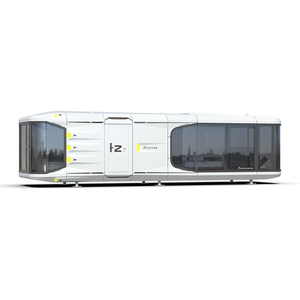
Zcamp Z7 Prefabricated Modular Portable Tiny Flat Pack Home
- Structural Steel Galvanized Chassis
- Rapid 2-Hour Site Assembly
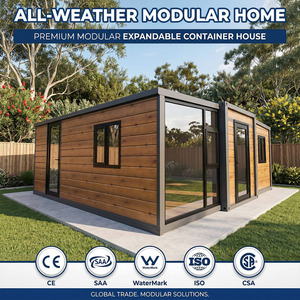
Expandable Modular Container Mobile Home Villa for Hospitality
- Dual Wing Hydraulic Expansion
- Integrated MEP Plumbing/Electrics
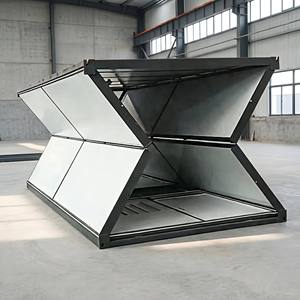
Z-Type Foldable Modular Container Housing Unit
- High-Density Shipping Footprint
- Fireproof PU Insulation Panels
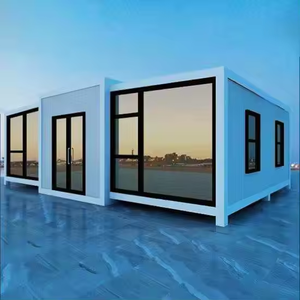
Luxury Modular Prefabricated Residential Villa System
- Double-Glazed Low-E Glass Facade
- Architectural Grade Interior Finish
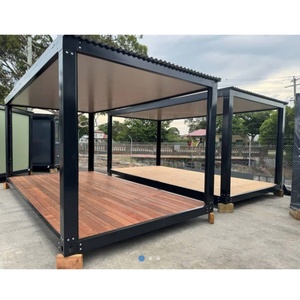
20ft Heavy-Duty Detachable Modular Steel Structure Frame
- Cold-Formed Steel Profiles
- Standardized Bolt Connections
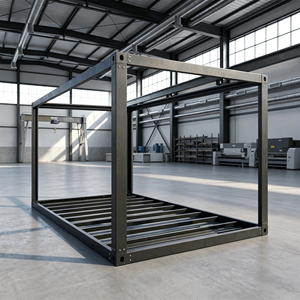
Outdoor Disassemblable Flat-Pack Structural Chassis
- Marine-Grade C3 Corrosion Protection
- 3-Storey Stacking Capacity
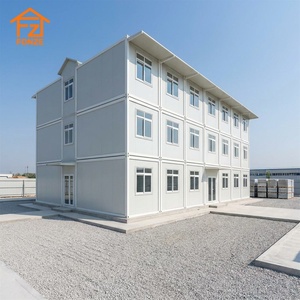
Rapid-Deployment Disaster Relief Modular Housing Module
- Tool-Free Crane Assembly
- High-Impact Weather Resilience
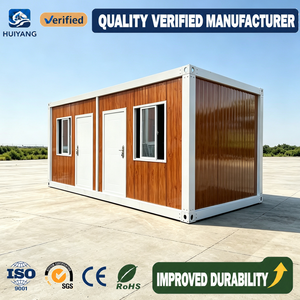
Eco-Friendly OEM Volumetric Single Apartment Module
- Zero-VOC interior finishing
- Solar-Ready Roof Architecture
Industrialized Volumetric Modular Construction: The Engineering OEM Framework
In the contemporary era of real estate development and institutional construction, the global shift toward volumetric 3D offsite modular fabrication represents a radical technological paradigm shift. Moving away from traditional, highly fragmented site-built practices, B2B procurement leaders, hospitality chains, and residential developers are prioritizing Design for Manufacture and Assembly (DfMA) methodologies. By transitioning up to 85% to 90% of total building activities into controlled industrial manufacturing plants, customized Original Equipment Manufacturer (OEM) volumetric modular housing mitigates systemic risks including skilled labor shortages, material waste, weather delays, and structural compliance discrepancies.
At Josso Group, our engineering framework integrates cold-formed galvanized steel chassis design with fully customized hybrid panels, delivering structural integrity engineered to meet strict international standards (including ISO, Eurocodes, IBC, and AS/NZS). Unlike traditional 2D panelized systems that require extensive assembly work on site, 3D volumetric modules arrive as complete three-dimensional spatial units fully fitted with integrated Mechanical, Electrical, and Plumbing (MEP) conduits, acoustic insulation barriers, and precision surface finishes.
Structural Load Engineering
Self-supporting Q235B/Q355B galvanized steel cages designed to withstand seismic forces (Zone 4+) and wind loads up to 250 km/h with 50+ years of operational durability.
Thermal & Envelope Efficiency
High-density Polyurethane (PU) and hydrophobic Rockwool cores achieving thermal envelope values of U < 0.16 W/m²K for extreme climate operational savings.
BIM Level 3 Manufacturing
End-to-end digital twin modeling ensures millimeter-level precision tolerance, eliminating on-site clash issues and optimizing containerized shipping logistics.
Industrial Technical Performance Comparison Matrix
To provide institutional buyers with actionable technical data, the following matrix compares OEM Volumetric 3D Systems against traditional construction methodologies across core procurement KPIs:
| Engineering Metrics | Volumetric 3D Modular (Josso OEM) | 2D Panelized Systems | Traditional Concrete / Masonry |
|---|---|---|---|
| Offsite Prefabrication Degree | 80% – 95% (Fully Fitted) | 40% – 60% (Shell Only) | 0% – 10% (Raw Components) |
| On-Site Construction Schedule | 50% – 70% Faster | 30% – 40% Faster | Baseline Standard |
| Dimensional Tolerance | ± 1.5 mm (Laser Calibrated) | ± 5.0 mm | ± 15.0 to 25.0 mm |
| Acoustic Isolation (STC Rating) | STC 55 – 62 (Double Cavity Wall) | STC 45 – 50 | STC 48 – 52 |
| Embodied Carbon Reduction | Up to 45% Material Savings | 25% Material Savings | High Waste & Carbon Output |
| Quality Control Compliance | ISO Factory Automated Audit | Partial On-Site Audit | Highly Variable Weather-Dependent |
Future Procurement Trends in the Global Volumetric Housing Market
As economic pressures, material price volatility, and stringent carbon target mandates transform global real estate, enterprise procurement strategies are undergoing structural realignments. Over the next decade, industrial buyers must align with several macro-level procurement vectors:
1. ESG Mandates & Decarbonized Building Envelopes
Institutional financiers and sovereign wealth funds are enforcing strict Environmental, Social, and Governance (ESG) criteria. Volumetric modular manufacturing inherently reduces site waste by up to 90% compared to traditional builds. Future procurement specifications prioritize circular building products, zero-VOC interior finishes, recyclable steel structures, and embedded heat-recovery ventilation (HRV) units.
2. Turnkey Flat-Pack & High-Density Logistics Optimization
Freight economics dictate project viability. The market is leaning heavily toward hybrid volumetric designs—such as detachable steel frame chassis and Z-type expandable modules—that collapse into standardized ISO 40ft High-Cube container footprints. This lowers transoceanic shipping costs by up to 75% per effective square meter of living space while maintaining high structural load ratings upon expansion.
3. Standardized Mechanical Pod & Plug-and-Play Utilities
Procurement teams are shifting away from hiring separate electrical, plumbing, and HVAC sub-contractors on site. Pre-certified, factory-installed MEP systems with quick-connect structural couplings allow regional assembly teams to plug modular clusters directly into municipal grid networks or off-grid microgrids in hours.
By specifying standardized structural connector nodes during the early DfMA phase, enterprise clients reduce structural engineering re-certification costs when scaling designs across different jurisdictions (e.g., North America, Europe, Southeast Asia, and Australia).
Technological Evolution & Offsite Manufacturing Innovations
The technological evolution of custom OEM modular housing is anchored in automation, advanced metallurgy, and materials science. Factory-floor advancements are redefining project speed and quality metrics:
Automated Robotic Welding
Multi-axis robotic welding cells guarantee 100% seam penetration on structural steel frames, eliminating human error and ensuring structural performance during transport dynamic stress.
Advanced Composite Insulation
Incorporation of vacuum insulation panels (VIP) and phase-change materials (PCM) delivers ultra-thin wall profiles with ultra-high thermal resistance, maximizing internal usable square footage.
IoT-Enabled Smart Housing
Embedded structural health sensors and smart climate monitoring networks pre-wired into the wall panels during offsite assembly for real-time facility management.
Furthermore, hybrid timber-steel modular integrations—combining the raw structural tensile strength of cold-formed steel chassis with the organic aesthetic warmth and tactile bio-affinity of engineered timber facades—are commanding premium pricing in hospitality and high-end residential segments.
Enterprise OEM Strategy: Why Partnering with Josso Group Yields Market Dominance
As a global modular manufacturer and engineering pioneer, Josso Group provides institutional partners, B2B distributors, real estate consortiums, and government procurement offices with turnkey customization solutions tailored to stringent project mandates.
End-to-End DfMA Engineering
Our in-house structural and architectural teams transform your initial site plans or conceptual sketches into fully optimized DfMA production models, reducing manufacturing lead times by up to 35%.
Strict Multi-Tier Quality Audits
Every volumetric unit undergoes rigorous non-destructive testing (NDT), hydrostatic plumbing pressure checks, and thermal imaging leaks prior to factory gate release, backed by full quality assurance documentation.
Global Supply Chain & Logistics
Leveraging strategically situated production facilities, specialized flat-pack container packaging, and international freight networks, we deliver prefabricated modules safely to over 60 countries.
Frequently Asked Questions by Industrial Procurement Managers
In-depth answers addressing structural engineering, transport logistics, building code compliance, and custom OEM manufacturing workflows.
Ready to Accelerate Your Volumetric Modular Project?
Partner with an industry-leading OEM modular housing manufacturer. Access full technical specifications, factory-direct pricing, and custom engineering support today.