Featured Weatherproof Modular Sauna & Prefab Housing Units
Inspected and standardized offsite modular cabins engineered for severe thermal loads, sub-zero insulation resilience, and global freight container compatibility.
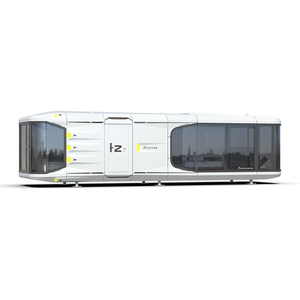
Zcamp Z7 Prefabricated Modular Portable Tiny Flat Pack Cabin
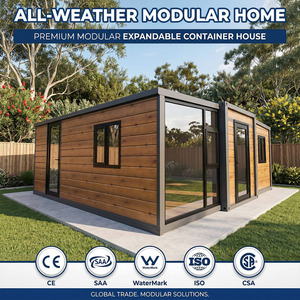
Expandable Modular Container Sauna Villa for Commercial Resorts
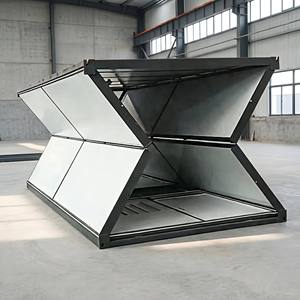
Z-Type Rapid Foldable Weatherproof Sauna & Living Container
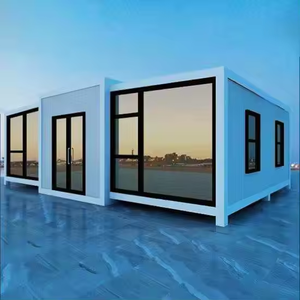
Luxury Prefabricated Outdoor Sauna Villa with Panoramic Glazing
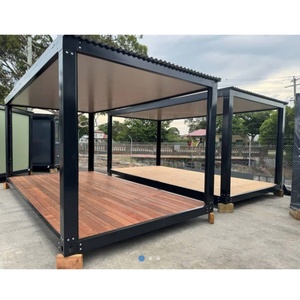
Heavy-Duty 20ft Detachable Steel Frame Modular Sauna Chassis
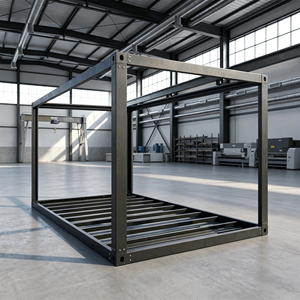
Disassemblable Modular Steel Frame Unit for All-Weather Saunas
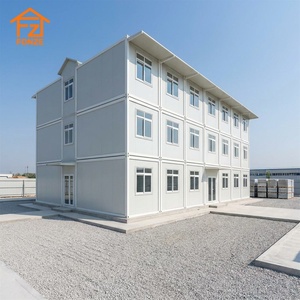
Flat Pack Portable Modular Sauna House with Integrated Shower
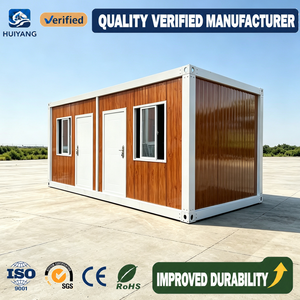
Custom Eco-Friendly Prefab Modular Sauna Unit for Resort Development
Engineering Weatherproof Modular Saunas: The Paradigm Shift in Offsite Construction
The global demand for high-performance outdoor modular saunas has undergone a fundamental structural evolution. Driven by the expansion of luxury wellness hospitality, eco-resorts, and high-end residential real estate, commercial procurement managers and developers no longer view outdoor saunas as mere timber huts. Modern modular saunas are complex structural envelopes designed to endure extreme microclimatic stresses—ranging from sub-zero Alpine blizzards (-40°C) to coastal salt-spray humidity and high UV index environments.
Achieving true weatherproofing in a modular sauna requires solving a dual thermal dynamic puzzle: controlling extreme heat and vapor pressure from within (where temperatures reach 90°C to 110°C with 100% relative humidity spikes during löyly steam bursts) while simultaneously repelling wind-driven rain, ice accumulation, and ambient moisture from the exterior. Without precise offsite manufacturing and thermodynamic engineering, traditional outdoor saunas suffer from rapid envelope degradation, timber warping, interstitial condensation, mold formation, and catastrophic heat loss.
Thermally Modified Timber (Thermowood)
Steam and heat treatment at 215°C alters the wood's cellular structure, eliminating nutrients that harbor decay fungi, lowering equilibrium moisture content to 4-6%, and providing superior dimensional stability across extreme temperature swings.
Hermetic Vapor Envelope Engineering
Utilizing pure aluminum foil backing layered with high-temperature acrylic tapes creates an impenetrable vapor barrier (VCL). This prevents steam from migrating into the PIR/Mineral Wool insulation cavity, avoiding structural decay.
Ventilated Rainscreen Exterior
A multi-layered exterior cladding design incorporates a 22mm continuous air gap behind hydrophobic zinc, steel, or composite battens. Moisture that penetrates the outer skin is instantly evaporated via thermal chimney convection.
Top 10 Modular Sauna Exporters & OEM Selection Evaluation Criteria
When selecting a manufacturing partner or OEM/ODM factory for international modular sauna distribution, global buyers must audit beyond baseline unit costs. Factory evaluation requires rigorous verification of structural engineering certifications, supply chain compliance, timber kiln-drying verification, and ocean container load optimization. Below is the technical benchmarking matrix utilized by tier-1 procurement directors to rate top export-grade modular sauna factories globally:
| Evaluation Parameter | Tier-1 OEM Factory Benchmark | Tier-2 Standard Exporter | Operational Impact on B2B Buyers |
|---|---|---|---|
| Structural Frame Coating | Hot-Dip Galvanized Q235/Q355 Steel (C4/C5 Coastal Marine Grade) | Standard Primer + Electrostatic Powder Coating | Prevents frame rust, salt spray degradation, and structural fatigue over a 25-year service life. |
| Insulation Core Material | High-Density PIR (Polyisocyanurate) Foil-Faced Board (λ = 0.022 W/m·K) | Standard EPS Foam or Low-Density Mineral Wool | Ensures rapid heat retention, reduces energy consumption by 42%, and prevents insulation sagging under heat. |
| Glazing Engineering | 8mm-10mm Toughened Double/Triple Low-E Tempered Argon Gas Filled Glass | Single 6mm Tempered Glass | Eliminates thermal shock glass breakage during winter operation while blocking exterior UV degradation. |
| Electrical Compliance | CE, UL, ETL, SAA Pre-Wired Harnesses with High-Temp Silicone Cables | Standard PVC Wiring inside conduit | Ensures immediate building code clearance across North American, European, and Australian jurisdictions. |
| Vapor Barrier Tape | High-Temperature Aluminum Foil Tape rated to 150°C continuous | Standard Duct Tape or PVC Tape | Guarantees lifetime moisture isolation between hot room interior and structural envelope. |
Global Sourcing Trends & Technological Advancements (2025–2030)
The offsite prefabricated building industry is undergoing a digital and metallurgical revolution. Commercial procurement strategies are rapidly adapting to changing consumer requirements and environmental regulations. Key procurement trends shaping the modular sauna export market include:
1. Off-Grid Hybrid Solar Thermal & Battery Systems
Modern commercial developments in remote eco-lodges require modular sauna units that operate independently of localized grid infrastructure. Leading factories are now integrating micro-inverter solar arrays directly into standard flat-pack and volumetric sauna roofs. Coupled with lithium iron phosphate (LiFePO4) storage banks and high-efficiency hybrid biomass/electric stoves, saunas can pre-heat autonomously based on guest reservation algorithms.
2. IoT Microclimate & Remote Fleet Management
Commercial B2B buyers operating multi-unit resorts demand centralized monitoring software. Export-ready modular saunas are increasingly factory-fitted with RS485 Modbus or Wi-Fi connected smart control hubs (compatible with platforms such as Harvia Xenio or HUUM UKU). Facility managers can remotely schedule pre-heating, monitor energy draw per session, regulate humidity percentages, and receive automated maintenance alerts regarding heating element degradation or door seal leaks.
3. Circular Material Sourcing & Decarbonization Mandates
With stringent European Union carbon accounting standards (such as CBAM and Corporate Sustainability Due Diligence Directives), exporters must provide environmental product declarations (EPDs) for timber and steel components. Thermally modified pine harvested from FSC-certified sustainable Nordic forests paired with 100% recyclable structural steel frames provides a significantly lower embodied carbon footprint compared to on-site concrete sauna builds.
Comprehensive B2B Procurement & Technical FAQ
Direct answers to technical, logistical, and engineering questions frequently encountered during modular sauna sourcing and site integration:
Manufacturing Excellence & Factory Capabilities: Josso Group
As a recognized pioneer in offsite modular construction and hybrid thermal housing, Josso Group combines Northern European woodworking heritage with precision structural steel engineering. Based in Latvia, our offsite manufacturing facility designs and builds compact modular homes, panel hybrid structures, and all-weather outdoor modular saunas engineered for immediate global delivery.
Corporate Address: Laimdotas iela, Lielvarde, LV 5070, Latvia | Direct B2B Line: +371 2 6688899 | Email: [email protected]