Explore our factory-engineered, rapidly deployable glamping pods, expandable container villas, and heavy-duty structural modules optimized for eco-resorts, hospitality expansion, and off-grid living.
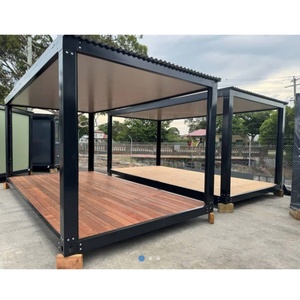
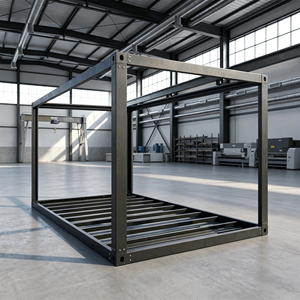
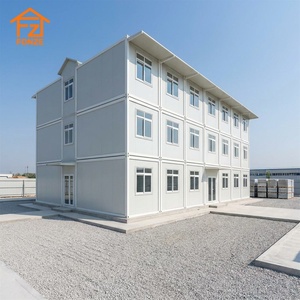
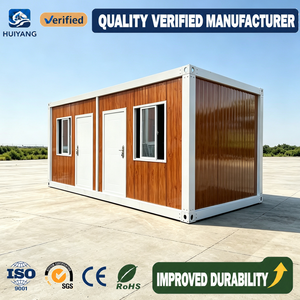
Executive Market Overview: The Global Shift Toward China Modular Glamping Architecture
The global outdoor hospitality and experiential tourism sectors are undergoing a paradigm shift. Traditional hotel infrastructure development is increasingly constrained by escalating labor costs, extended construction timelines, strict environmental permitting, and remote land accessibility challenges. Commercial resort developers, campsite operators, and real estate investors are pivoting en masse toward offsite modular construction as the primary solution for scaling luxury accommodation.
Within this industrial transformation, China has emerged as the global epicenter for modular glamping pod design, engineering, and manufacturing. Leveraging advanced supply chain clusters, specialized metallurgical precision, and automated offsite fabrication facilities, premier Chinese manufacturers deliver high-performance prefabricated units that significantly reduce capital expenditure while accelerating return on investment (ROI).
Key Strategic Takeaway: Transitioning from traditional site-built masonry or timber construction to precision-engineered modular glamping pods reduces project delivery schedules by up to 60%, minimizes localized ecological disruption by 80%, and yields an average internal rate of return (IRR) increase of 22% for resort operations.
Modern modular glamping pods are no longer lightweight temporary structures or basic camping cabins. They represent sophisticated architectural modules built upon structural steel exoskeletons, incorporating structural insulated panels (SIPs), advanced thermal breaks, Low-E double glazing, and integrated IoT smart home control systems. This whitepaper provides a comprehensive technical and strategic analysis of sourcing modular glamping pods from top Chinese suppliers.
Product Taxonomy & Commercial Application Matrix
Selecting the optimal modular pod configuration requires matching structural characteristics with target geography, climate profiles, guest demographics, and logistics infrastructure. China's top modular suppliers categorize glamping units into four core architectural typologies:
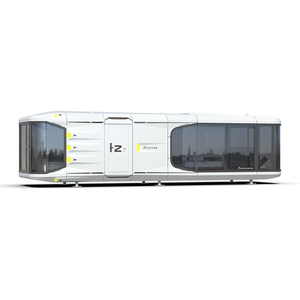
Space Capsule & futurist Pods
Aerodynamic aluminum alloy shell construction paired with curved panoramic glass. Pre-assembled as complete volumetric pods. High appeal for luxury boutique resorts seeking high nightly room rates.
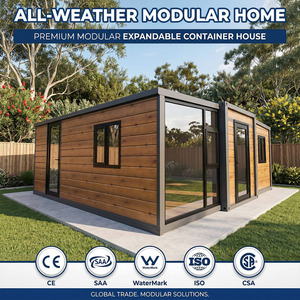
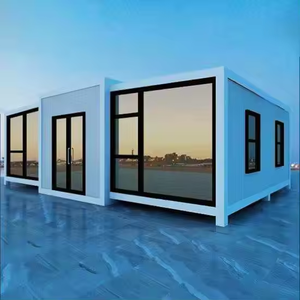
Expandable Container Pods
Features internal mechanical wing systems that collapse for ocean freight shipping and expand to 300% of transport volume on site. Ideal for multi-bedroom family glamping suites.
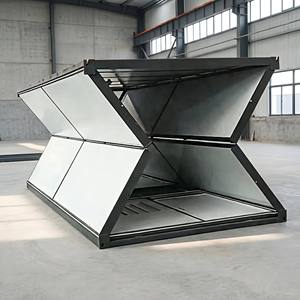
Flat-Pack Modular Pods
Shipped as standardized knock-down structural packages. Maximizes shipping density (up to 4 units per 40ft HQ container). Highly efficient for remote mountain or forest sites with narrow access roads.
Architectural Application Scenarios
Whether deploying high-altitude alpine retreats, desert eco-lodges, coastal beach resorts, or urban glamping pop-ups, Chinese modular pod systems can be engineered with tailored insulation envelopes, structural load calculations, and HVAC configurations to meet local building codes globally.
Emerging Sourcing & Technology Trends in Modular Offsite Manufacturing (2025–2030)
The offsite modular manufacturing industry in China is undergoing rapid technological convergence. Commercial purchasers must understand these key technical trends to ensure long-term asset value and operational efficiency:
1. ESG Compliance & Closed-Loop Sustainability
Global institutional investors are enforcing strict Environmental, Social, and Governance (ESG) standards on hospitality real estate projects. Leading Chinese manufacturers are incorporating recycled steel frames, bamboo-fiber composite interior paneling, zero-VOC interior finishes, and integrated greywater filtration units into standard pod designs. Factory offsite manufacturing reduces overall construction waste by 90% compared to traditional on-site building practices.
2. Advanced Thermal Envelope Integration (Passive House Standards)
Energy consumption represents one of the highest operational costs for remote resorts. Next-generation glamping pods utilize polyurethane (PU) or rock wool high-density sandwich panels combined with thermal-break aluminum profiles and Low-E Argon-filled tempered double/triple glass. These upgrades lower HVAC energy demand by up to 45%, enabling effortless off-grid solar-plus-storage integration.
3. Turnkey Volumetric Pre-Integration
The market trend has moved past raw shell delivery toward fully integrated plug-and-play modules. Units leave China-based production floors equipped with pre-plumbed luxury bathrooms, integrated electrical conduit networks, smart keyless entry hardware, dimmable LED mood lighting, and custom furniture. On-site installation is reduced to basic foundation anchor attachment and utility hookup.
Technical Specifications & Engineering Benchmarks
To assist technical directors, project engineers, and procurement teams during the Request for Proposal (RFP) stage, the following table outlines the standardized engineering parameters provided by top-tier Chinese glamping pod manufacturers:
| Engineering Parameter | Standard Specification | Premium / Alpine Upgrade |
|---|---|---|
| Main Structural Frame | Hot-dip galvanized steel chassis (Q235B / Q355B) | Fluorocarbon-coated heavy structural steel exoskeleton |
| Exterior Wall Cladding | Fluorocarbon aluminum alloy plates / PU insulation | Architectural bamboo-charcoal wood composite panels |
| Thermal Insulation Core | 75mm High-density Polyurethane (PU) panel | 100mm–120mm Rockwool + vacuum insulation panel |
| Window & Door Glazing | Double-glazed Low-E tempered safety glass (6mm+12A+6mm) | Triple-glazed inert gas-filled anti-UV smart glass |
| Wind Resistance Rating | Category 11 Typhoon (up to 120 km/h) | Category 14 Severe Typhoon (up to 175 km/h) |
| Seismic Performance | Magnitude 8.0 earthquake rating | Magnitude 9.0 reinforced dynamic structural dampers |
| Floor System | Fiber cement board base + waterproof SPC vinyl flooring | Integrated underfloor hydronic/electric radiant heating |
| Design Lifespan | 25 to 30 Years structural rating | 50+ Years with scheduled maintenance |
Enterprise Strengths & Supply Chain Excellence
Partnering with an established manufacturer in China provides distinct strategic advantages for global hospitality projects. Building upon rigorous quality assurance frameworks, industrial-scale material purchasing, and dedicated R&D engineering, our partner facilities ensure world-class delivery standards:
Offsite Manufacturing Precision
Automated laser cutting, robotic welding arms, and standardized assembly lines eliminate human error, ensuring structural tolerances within ±1.5mm.
Custom Engineering & OEM/ODM
Full architectural support from initial 3D BIM modeling and structural load analysis to customized interior floorplans designed around your brand identity.
Global Certification Compliance
Structures engineered to meet international building standards, including CE certification, ISO9001 quality management, UL electrical component compliance, and Australian National Construction Code (NCC) standards.
From initial design consultation through ocean freight logistics to on-site assembly guidance, our end-to-end service model ensures your resort project opens on schedule and within budget.
Frequently Asked Sourcing & Technical Questions (B2B FAQ)
Here are detailed answers to the most common questions raised by commercial buyers, resort developers, and procurement managers when sourcing modular glamping pods from China:
Strategic Purchasing Roadmap & RFP Checklist for Developers
When issuing a Request for Proposal (RFP) to Chinese modular glamping suppliers, following a structured procurement process prevents unexpected delays, compliance mismatches, and cost overruns:
1. Define Site Parameters
Document maximum wind speeds, snow load requirements, soil bearing capacity, seismic zones, and local transport road width restrictions.
2. Request BIM & Engineering Files
Require suppliers to provide full AutoCAD structural layouts, 3D BIM models, electrical single-line diagrams, and plumbing schematics for local permit approval.
3. Verify Factory QA/QC Milestones
Institute mandatory third-party factory inspection hold-points (e.g., steel frame weld inspection, waterproof testing, pre-shipment assembly trial run).
Request Complete Catalog & Commercial Pricing
Connect directly with our engineering team to discuss customized glamping pod designs, structural engineering parameters, bulk factory pricing, and ocean freight logistics for your upcoming resort development.