Featured Prefabricated Tiny Houses & Modular Solutions
Precision-engineered, thermal-insulated, and wind-resistant offsite builds ready for deployment in Dubai, Abu Dhabi, Sharjah, and RAK.
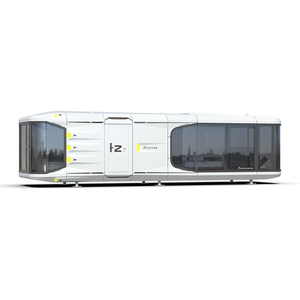
Zcamp Z7 Prefabricated Modular Portable Ready Made Tiny Flat Pack House
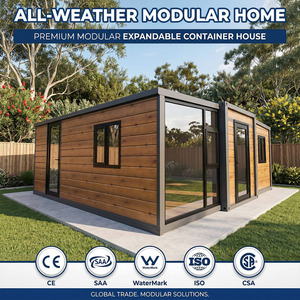
Container House Prefabricated Modular Mobile Villas For Hotel & Glamping
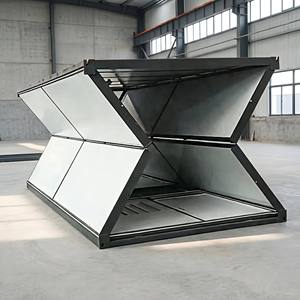
Container Houses Z Type Foldable Premade Flat Pack Modular Structure
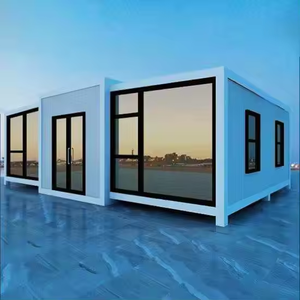
Cost Price Prefabricated Houses Villas All With Luxury Modular Layouts
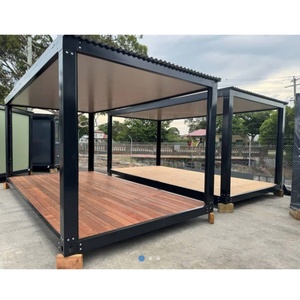
Prefab Detachable 20ft Steel Structure Container Frame for Tiny Homes
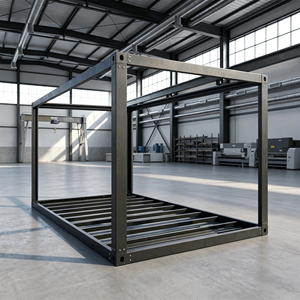
Steel Modular Prefabricated Disassemblable Outdoor Container Structure
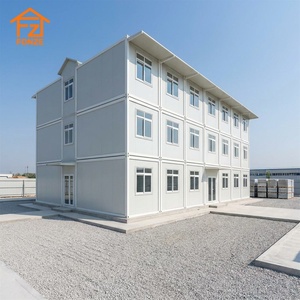
Flat Pack Container Home Portable Modular Rapid Assembly Structure
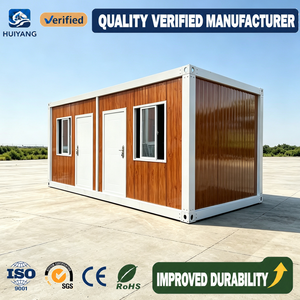
Customized Eco-Friendly Prefabricated Container House for Residential & Office
Comprehensive Whitepaper: China Modern Prefab Tiny House Manufacturing for the UAE Market
The Middle East residential and commercial real estate sector is undergoing a profound paradigm shift. As part of the UAE Vision 2031 and Dubai 2040 Urban Master Plan, sustainable development, rapid infrastructure scalability, and eco-friendly offsite construction have transitioned from luxury concepts into foundational requirements. Direct procurement of high-end prefabricated tiny houses, hybrid modular villas, and containerized living spaces from top-tier Chinese manufacturers has emerged as the premier strategy for developers, resort operators, and private landowners across Abu Dhabi, Dubai, Sharjah, and Ras Al Khaimah.
China’s modern prefabricated housing manufacturing ecosystem represents over 65% of global offsite structural capacity. By combining advanced robotic steel welding, automated CNC panel extrusion, and stringent quality assurance protocols, leading Chinese factories deliver turnkey modular structures at up to 50% lower capital expenditure (CAPEX) and half the construction lead time of traditional reinforced concrete builds. However, successfully importing, installing, and certifying Chinese modular structures within the United Arab Emirates demands a deep understanding of local environmental loads, municipal building certifications, thermal engineering, and logistics control.
1. Environmental Thermal Dynamics: Engineering for 50°C Ambient Desert Heat
The primary engineering challenge when deploying tiny homes and container structures in the GCC region is mitigating ambient temperatures exceeding 50°C in peak summer, combined with high UV indices and airborne sand particles. Standard prefabricated structures intended for temperate zones suffer from thermal bridging, insulation degradation, and extreme HVAC energy consumption if not specifically optimized for the Arabian Peninsula.
Leading Chinese exporters specializing in the UAE market utilize advanced polyisocyanurate (PIR) and high-density polyurethane (PU) structural insulated panels (SIPs) with core densities exceeding 42 kg/m³. Unlike basic polystyrene (EPS) core panels, PIR/PU formulations offer a thermal conductivity factor as low as 0.018 W/m·K, creating a hyper-efficient thermal barrier that minimizes indoor air conditioning loads by up to 45%.
| Structural Parameter | Standard Import Specifications | UAE Tropicalized Spec (GCC Grade) |
|---|---|---|
| Wall Panel Insulation | 50mm EPS / Glass wool (R-11) | 75mm - 100mm High-Density PIR / Rockwool (R-28 to R-34) |
| Structural Steel Frame | Light Gauge Galvanized Steel (150g/m²) | Heavy Q235B/Q355 Hot-Dip Galvanized Steel (275g/m² + Epoxy Coating) |
| Glazing & Fenestration | Single Clear Tempered Glass | Double Low-E Argon-Filled Tempered Glass (U-Value ≤ 1.4 W/m²K) |
| Wind Load Resistance | Up to 100 km/h (Category 1) | Up to 180 km/h (Category 12 Sandstorm / Gust Grade) |
| Sealing & Gaskets | Standard PVC Seals | UV-Resistant EPDM Weather-stripping & Marine-grade Silicone |
Furthermore, structural steel frames undergo hot-dip galvanization with a minimum zinc coating weight of 275 g/m², protected by fluorocarbon (PVDF) anti-corrosion topcoats to withstand coastal saline humid environments in coastal regions like Dubai Marina, Jumeirah, and Al Marjan Island.
Engineering Excellence & Manufacturing Competencies
How leading OEM/ODM factories in China guarantee long-term durability and structural integrity for Middle Eastern buyers.
Offsite Precision Engineering
Utilizing 3D BIM (Building Information Modeling) software and robotic steel fabrication, panels and structural chassis are cut with sub-millimeter accuracy, ensuring zero site-level fitting adjustments in harsh desert conditions.
Rapid Deployment Cycles
Factory fabrication takes 15 to 25 days. Units are shipped in flat-pack or fully modular 40ft High Cube container formats, enabling on-site foundation-to-living setup in under 48 hours per single unit.
Modular Scalability
Interlocking container technology allows horizontal chaining and vertical stacking up to 3 levels, catering to temporary worker accommodation, boutique glamping resorts, or multi-family residential compounds.
2. Key Localized Application Scenarios Across the United Arab Emirates
The versatility of Chinese manufactured modern prefab tiny homes enables rapid implementation across diverse real estate sectors within the UAE. Key commercial and private use cases include:
A. Luxury Eco-Resorts & Desert Glamping (Hatta, Al Ain, Liwa Oasis)
The UAE hospitality sector is rapidly expanding into eco-tourism and glamping experiences in desert nature reserves. Prefabricated modular capsules and expandable luxury tiny houses equipped with full-height panoramic Low-E glass walls allow developers to place luxury guest rooms directly into sensitive desert landscapes without the ecological disruption caused by heavy concrete construction. Units arrive pre-plumbed and pre-wired, ready for instant connection to off-grid solar generators and micro-sewage treatment plants.
B. Villa Extensions & Private Outbuildings (Dubai & Abu Dhabi Suburbs)
Homeowners in villa communities such as Emirates Hills, Arabian Ranches, Khalifa City, and Mohammed Bin Zayed City increasingly utilize sleek modern prefab tiny houses as secondary guest suites, garden home offices, driver accommodations, or private wellness cabins (including integrated modular saunas). Offsite manufacturing minimizes noise, dust, and construction disturbance on residential properties.
C. High-Density Remote Workforce Accommodations & Mining Camps
For large-scale infrastructure projects, oil fields in Ruwais, and remote desert industrial sites, flat-pack container modules represent the gold standard for durable, sanitary, and air-conditioned worker accommodation. Units comply with UAE Ministry of Human Resources & Emiratisation (MOHRE) living standards while being 100% relocatable when project cycles conclude.
D. Pop-up Commercial Spaces, Cafes, and Event Hubs
From Al Serkal Avenue art spaces to beachfront retail pop-ups at Kite Beach, custom container conversions provide retail brands with agile, relocatable commercial footprints that can be fully customized with bespoke exterior cladding, composite wood finishes, and integrated LED lighting channels.
3. Regulatory Compliance & Municipal Guidelines in the UAE
Navigating the import and installation process requires adherence to local municipal frameworks across the seven Emirates:
- Dubai Municipality (DM) & Estidama (Abu Dhabi): Modular housing components must satisfy structural stability codes and insulation thermal transmittance standards (U-values). High-end Chinese suppliers provide certified test reports for core fire performance (BS 476 Part 6/7 or ASTM E84 Class A).
- Civil Defense Approvals: Non-combustible interior wall linings (such as MGO calcium silicate board or rockwool sandwich panels) are critical for securing Civil Defense clearance for commercial installations.
- Port Clearance & Logistics (Jebel Ali & Khalifa Port): Chinese manufacturers ship via regular Container Vessels (40ft HQ or Open Top containers) directly to Jebel Ali Port (Dubai) or Khalifa Port (Abu Dhabi). Complete shipping documentation (Bill of Lading, Certificate of Origin, SASO/GCC Conformity where applicable) ensures smooth customs processing at duty rates typically calculated at 5% standard customs duty.
Frequently Asked Questions (FAQ) for UAE Procurement
Essential answers for B2B buyers, resort developers, and importers sourcing prefab tiny homes from China.
How do Chinese prefab tiny houses withstand extreme summer heat (50°C+) in the UAE?
Units built for the UAE market utilize thick (75mm-100mm) PIR or Rockwool insulation cores with double Low-E thermal-break argon-filled glass windows. This reduces internal heat gain and ensures efficient operation of standard inverter split or VRF air conditioning systems.
What is the typical shipping lead time from Chinese factories to Jebel Ali Port?
Manufacturing usually takes 15 to 25 days depending on customization. Sea freight transit from major ports like Shanghai, Ningbo, or Shenzhen to Jebel Ali takes approximately 14 to 20 days. Total door-to-door timeline is generally under 50 days.
Are these modular structures resistant to coastal humidity and sandstorms?
Yes. Heavy steel structures are hot-dip galvanized and finished with marine-grade anti-corrosion coatings. High-density EPDM rubber gaskets seal all panel joins against fine sand infiltration and ambient humidity.
Do I need special foundation work prior to installation in the UAE?
No heavy concrete foundations are required. Most prefab tiny houses and flat-packs require only a leveled concrete slab, concrete pier blocks, or a simple steel chassis foundation, significantly reducing site preparation costs.
Can the electrical wiring and plumbing systems be tailored to UAE standards?
Absolutely. Top factories pre-install electrical wiring, sockets, and breaker panels complying with DEWA (Dubai Electricity and Water Authority) or ADDC standards (220V/50Hz, UK 3-pin standard sockets, BS 7671 compliance).
What is the structural lifespan of a high-end Chinese prefab tiny home?
When specified with tropicalized hot-dip galvanized steel frames and weather-resistant cladding, modular tiny homes have an engineered design life of 30 to 50+ years with minimal structural maintenance.
Why Partnering with Enterprise Chinese Manufacturers Unlocks Strategic Advantage
Sourcing directly from established modular home manufacturers in China gives Middle Eastern buyers direct control over architectural design, material quality, and project budgeting. By leveraging scale economies, automated production lines, and offsite quality assurance, developers can deploy multi-unit glamping resorts or commercial spaces in a fraction of the time required for traditional construction methods.
Our featured product range highlights the pinnacle of modern prefab engineering—combining minimalist aesthetic design with industrial-grade resilience tailored for the United Arab Emirates and broader GCC environment.
Ready to Build Your Prefab Project in the UAE?
Contact our senior engineering and export consultation team today for custom factory-direct pricing, CAD site plans, and technical GCC climate specification sheets.