Industrial Modular & Ready-Made Vacation Cabin Systems
Engineered for seamless shipping to Brazilian ports (Santos, Paranaguá, Salvador, Suape), rapid remote assembly, and superior resistance to tropical climates.
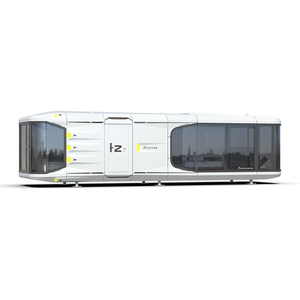
Zcamp Z7 Prefabricated Modular Portable Ready Made Tiny House
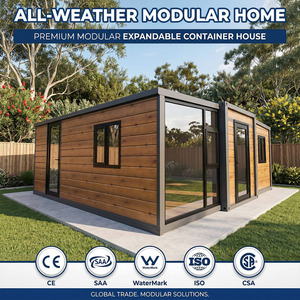
Expandable Modular Mobile Villa Cabins For Resort Hotels
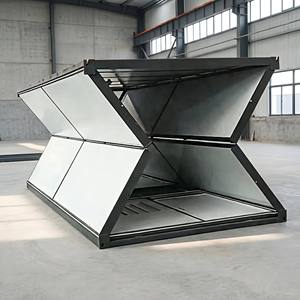
Z-Type Foldable Quick-Deploy Vacation Container Cabins
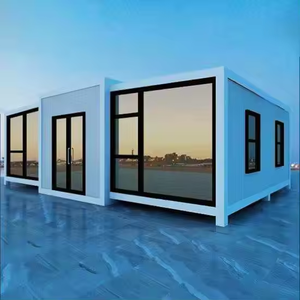
Luxury OEM Prefabricated Modular Eco-Resort Villa Suite
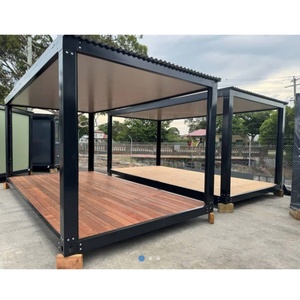
20ft Detachable Steel Structural Frame Modular Cabin Unit
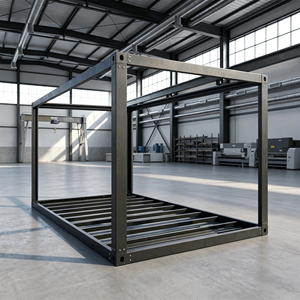
Disassemblable Modular Structure Unit for Outdoor Ecotourism
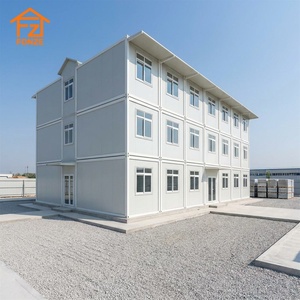
Portable Flat-Pack Temporary & Long-Term Modular Cabins
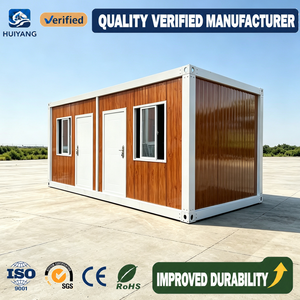
Custom Eco-Friendly Modular Single Apartment & Retreat Studio
1. Executive Market Intelligence: The Shift Toward Prefabricated Vacation Cabins in Brazil
2. Localized Deployment Scenarios Across Brazil’s Diverse Micro-Climates
Mountain & Cold Zone Retreats
Regions: Gramado, Campos do Jordão, Urubici, Monte Verde.
Engineering Focus: High thermal mass insulation (80mm PIR/Rockwool), double-glazed Low-E argon-filled windows, and integrated heating system framing to handle winter temperatures dropping near zero.
Coastal Eco-Resorts & Islands
Regions: Bahia (Trancoso, Itacaré), Ceará, Ilhabela, Búzios.
Engineering Focus: C4/C5 marine-grade hot-dip galvanized steel chassis, anti-salt fluorocarbon exterior coatings, cross-ventilation floor plans, and UV-reflective roofing membrane.
Rainforest & Wetland Lodges
Regions: Amazon, Pantanal, Atlantic Forest (Serra do Mar).
Engineering Focus: Elevated pile-supported foundations to prevent ground moisture intrusion, high-humidity vapor barriers, termite-proof steel/composite wall systems, and off-grid solar micro-grid integration.
3. Financial & Technical Comparison: OEM Modular Cabins vs Traditional Masonry (Alvenaria)
| Assessment Parameter | OEM Modular Vacation Cabins | Traditional On-Site Masonry (*Alvenaria*) |
|---|---|---|
| Construction & Deployment Time | 60 to 90 Days (Factory + Assembly) | 10 to 18 Months (Subject to weather delays) |
| Site Impact & Land Preparation | Minimal (Screw-pile / Point foundations) | Heavy excavation, concrete pouring, site pollution |
| Quality Control & Tolerance | Industrial Precision (ISO 9001, millimeter tolerance) | Variable (Dependent on local sub-contractor skill) |
| Thermal Insulation (U-Value) | High Performance (U ≤ 0.35 W/m²K with PIR) | Poor (High heat transfer without expensive retrofits) |
| Resistance to Termites & Rot | 100% Resistant (Galvanized steel & inorganic panels) | Vulnerable (Wood roof structures require ongoing treatment) |
| Asset Mobility & Scalability | 100% Demountable & Relocatable | Permanent / Fixed real estate asset |
| Environmental & ESG Compliance | Up to 65% Reduced Carbon Footprint; Zero Site Waste | High environmental footprint, heavy material waste |
4. Technical OEM Customization Capabilities & Factory Blueprint
Structural Engineering
• Heavy-gauge Q235B / Q355B galvanized structural steel framing.
• Seismic resistance rating: Grade 8.
• Wind load rating: Up to 120 km/h (customizable up to 180 km/h for coastal storm zones).
Facade & Cladding Systems
• Eco-wood composite cladding (UV-stabilized for tropical sun).
• Fluorocarbon-coated aluminum honeycomb panels.
• Natural bamboo-fiber exterior wall treatments for authentic eco-lodge aesthetics.
Interior Fit-Out & MEP
• Pre-wired electrical circuits complying with NBR 5410 standards.
• Integrated PEX plumbing for rapid connection to septic or greywater bio-digesters.
• Luxury modular bathrooms, custom cabinetry, and loft bedroom floor plans.
5. Why Global Developers Partner With Our Factory for Brazilian Projects
Uniquely Designed Modern Minimalist Aesthetics
Minimalist-inspired interiors and exteriors with a subtle luxury touch. Every cabin maximizes floor space ergonomics, offering panoramic glazing, open-plan living, and seamless terrace integration.
Cost-Effective High-Precision Fabrication
By leveraging lean offsite automation, we deliver ultra-durable prefabricated structures at half the cost of regional European or South American suppliers without compromising raw material specifications.
Optimized Shipping Logistics for South America
Our units are pre-engineered specifically for 40ft High Cube (HQ) shipping containers or breakbulk transport. Flat-pack modular kits ensure maximum cube utilization, reducing ocean freight costs per unit by up to 40%.
Full OEM / ODM Tailored Technical Support
From CAD/BIM architectural renderings and structural calculation sheets to step-by-step 3D assembly guides and remote engineering consultation, we support your local technical team through every project phase.
6. Frequently Asked Questions (FAQ) – B2B Procurement for Brazil
Q1: How are modular vacation cabins imported into Brazil (Customs & Import Duties)?
Importing prefabricated steel modular structures into Brazil requires compliance with Siscomex (Sistema Integrado de Comércio Exterior) and valid Radar registration. The structures are typically classified under NCM (Nomenclatura Comum do Mercosul) Code 9406.90.20 (Prefabricated buildings with steel framing). Our export documentation package includes commercial invoices, packing lists with detailed volumetric data, certificates of origin, and bill of lading (B/L) structured for smooth customs clearance at major ports like Santos, Paranaguá, or Salvador.
Q2: How do your modular cabins handle Brazil's high humidity and intense coastal salt spray?
To guarantee structural longevity, our cabins utilize cold-formed Q355B structural steel frames subjected to high-specification hot-dip galvanization (minimum 100-120g/m² zinc coating). Outer wall panels feature C4/C5 marine-grade anti-corrosion polyurethane coatings or fluorocarbon-treated aluminum, preventing oxidation, delamination, and salt-air breakdown even when installed directly on coastal dunes or beach fronts in Bahia or Ceará.
Q3: Do these modular structures conform to Brazilian Building Performance Code ABNT NBR 15575?
Yes. Our modular wall and roof envelopes are engineered to satisfy thermal, acoustic, and structural requirements under ABNT NBR 15575. By incorporating high-density PIR (Polyisocyanurate) or Rockwool core sandwich panels alongside double-glazed Low-E glass, the cabins maintain low U-values, significantly reducing energy requirements for air conditioning in hot northern regions or heating in cold southern regions like Rio Grande do Sul and Santa Catarina.
Q4: What kind of foundation prep is required before cabin delivery in remote Brazilian locations?
Our modular structures require minimal ground preparation compared to conventional masonry. Depending on the soil condition (e.g., sandy coastal soil or clay mountain terrain), developers typically prepare localized concrete pads (*sapatas isoladas*), micro-piles (*estacas trado*), or eco-friendly ground screws (*parafusos de fundação*). This allows installation on steep hillsides or forest floors without massive land clearing or environmental disruption.
Q5: Can these cabins operate completely off-grid in eco-sensitive zones like the Pantanal or Amazon?
Absolutely. OEM designs can be factory-prepped for off-grid operation. Roof structures are pre-engineered to support photovoltaic solar panel arrays (PV systems), and plumbing configurations can be split for greywater recycling and blackwater connection to compact aerobic bio-digesters, ensuring complete compliance with municipal environmental regulations (*licenciamento ambiental*).
Q6: What is the typical production lead time and ocean shipping duration to Brazil?
Factory fabrication typically takes 25 to 35 days depending on the customization volume. Ocean transit time from main container ports to the Port of Santos or Suape is approximately 30 to 40 days. Therefore, total project fulfillment from contract confirmation to port arrival is usually achieved within 65 to 80 days.
Accelerate Your Resort Development in Brazil
Partner with a proven global OEM factory supplier. Contact our engineering and export team today to receive a complete architectural catalog, factory price list, and customized shipping estimate for your project site in Brazil.