Export-Grade Modular & Container Homes for Moscow
Factory-prefabricated units insulated for extreme central Russian winters, ready for expedited logistics delivery via container transport.
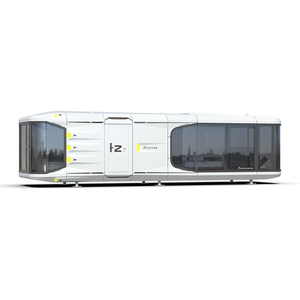
Zcamp Z7 Prefabricated Modular Portable Ready Made Tiny Flat Pack Container Van House
Snow Load: 2.4 kPa (GOST Compliant)
Footprint: 15m² - 30m² Flexible Layout
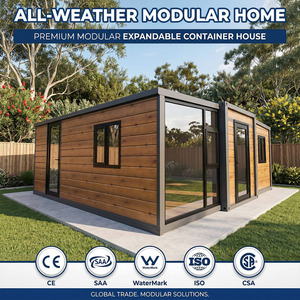
Container House Prefabricated Home Expandable Mobile Villa for Resorts & Glamping
Deployment: 3-Hour Rapid Deployment
Glazing: Double/Triple Low-E Argon
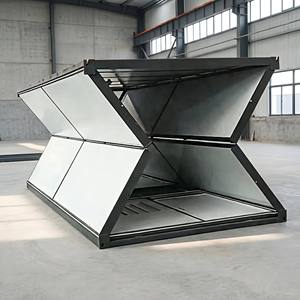
Container Houses Z-Type Foldable Cheap Ship Home Prefabricated Flat Pack Suite
Logistics: 4 Units per 40ft HQ Container
Thermal Coating: Anti-Corrosion Zinc
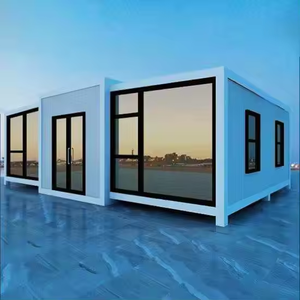
Cost Price Prefabricated Villa All-in-One Luxury Container House Residential Living
Heating: Radiant Floor Grid Compatible
Life Span: 50+ Years Structural Design
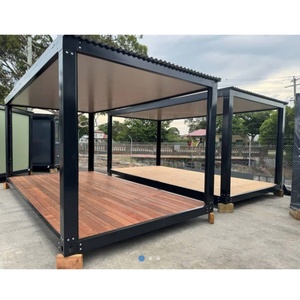
Prefab Detachable 20ft Steel Structure Modular Frame for Customized Tiny Homes
Flexibility: Modular Stacking up to 3 Floors
Assembly: Bolt-Together Modular Joints
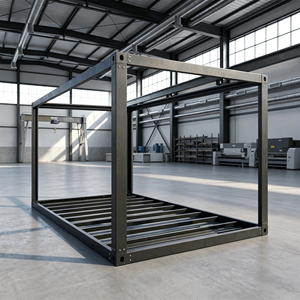
Steel Modular Prefabricated Disassemblable Frame Solution for Outdoor Construction
Weather Resistance: Severe Sub-Zero Grade
Transport: Flat-Pack Bundled Shipping
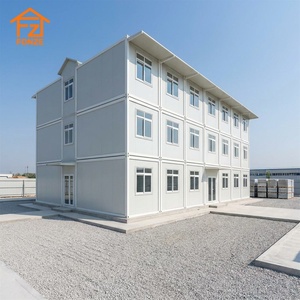
Flat Pack Container Home Portable Building for Disaster Relief & Temporary Dwellings
Fire Rating: Class A Non-Combustible Core
Seismic Load: Magnitude 8 Resistant
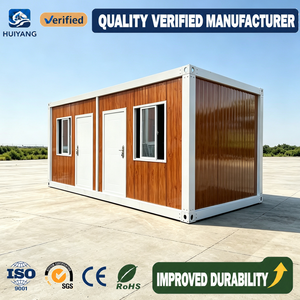
Customized Eco-Friendly Container House for Residential Offices & Single Apartments
Ventilation: Integrated HRV Unit Ready
Certification: CE / ISO9001 / GOST Ready
Engineering Prefabricated Tiny Houses for Moscow’s Harsh Sub-Arctic Climate
Designing and manufacturing offsite prefabricated tiny homes and modular residential units destined for the Greater Moscow area (Moscow Oblast) requires strict adherence to severe winter engineering protocols. Unlike standard temperate-climate prefabricated structures, buildings situated in Moscow's Region 4 snow load zone must withstand continuous frost cycles, heavy snow accumulation (up to 240 kgf/m²), and deep freeze soil dynamics (frost heaving / пучинистый грунт).
As a global exporter with deep European manufacturing roots (operating under Baltic modular engineering frameworks like Josso Group), our prefabricated homes combine structural steel framing with high-density polyisocyanurate (PIR) and basalt rockwool insulation. This ensures compliance with Russian building codes (SP 20.13330.2016 "Loads and Actions" and SP 50.13330.2012 "Thermal Protection of Buildings").
Thermal Envelope Efficiency
Utilizing 100mm to 150mm continuous PIR/Purd core panels delivering thermal resistance values exceeding R = 4.5 m²·°C/W. Eliminates cold bridges across steel structural members.
Reinforced Snow Roof Load
High-tensile Q355B structural steel roof trusses engineered with pitch angles tailored for rapid snow shedding and structural load distribution up to 2.5 kN/m².
Vapor & Moisture Barrier
Multi-layer breathable membranes prevent condensation build-up inside walls during sudden seasonal thaws, avoiding mold growth and structural decay.
Localized Application Scenarios in Greater Moscow & Suburban Belts
The demand for compact, turnkey prefabricated housing in Moscow has evolved rapidly over recent years. Land developers, resort operators, and private buyers in districts like Istra, Novorizhskoye Shosse, Rublyovka, Dmitrov, and Odintsovo are shifting away from traditional brick and concrete block construction due to high labor costs, long building cycles, and severe seasonal freeze delays.
1. Modern Suburban Dacha Renewal
Traditional Soviet-era dachas across the Moscow Ring Road (MKAD) perimeter are increasingly replaced by modern, minimalist prefab tiny homes. Landowners utilize expandable container homes and hybrid modular villas as full-year secondary residences equipped with smart electric underfloor heating and insulated panoramic double/triple glazing.
2. Commercial Eco-Resorts & Glamping Nodes
Tourism around the Moscow Golden Ring (e.g., Yaroslavl, Vladimir, Pereslavl-Zalessky) and natural reservoirs (Istra, Klyazma) has spiked demand for rapid-yield rental structures. Factory-finished tiny houses and modular saunas deliver a operational payback period of under 24 months due to minimal site disturbance and instant plug-and-play hookup.
3. Auxiliary Living & Garden Work Studios
With remote work firmly established among Moscow’s tech and financial professionals, compact 15m²–25m² modular flat-pack units serve as dedicated backyard home offices, guest suites, or private wellness retreats installed on lightweight screw-pile foundations within 48 hours.
4. Integrated Modular Sauna Cabins
Reflecting Baltic and Russian wellness traditions, hybrid modular housing configurations seamlessly incorporate dry/steam sauna rooms with specialized cedar/linden interior cladding, dedicated drainage systems, and electric or wood-burning stove integration.
Technical Comparison: Factory Modular Prefab vs. Traditional Wet Build in Moscow
Evaluating total cost of ownership, construction timelines, and thermal performance highlights why offsite prefabricated manufacturing holds a massive operational advantage in central Russian climate conditions.
| Evaluation Parameter | Josso Offsite Prefab Homes | Traditional Brick / Concrete Block | Timber Frame (On-Site Construction) |
|---|---|---|---|
| On-Site Assembly Time | 2 to 5 Days | 6 to 12 Months | 3 to 6 Months |
| Winter Construction Viability | 100% All-Weather Dry Setup | Halted at sub-zero temps | High risk of wood moisture trapping |
| Wall Insulation Performance (R-Value) | 4.5 - 5.2 m²·°C/W (PIR Core) | 1.8 - 2.5 m²·°C/W (Requires extra layer) | 3.0 - 3.5 m²·°C/W (Variable craft quality) |
| Foundation Requirements | Lightweight Screw Piles (Винтовые сваи) | Heavy Monolithic Concrete Slab | Deep Strip / Concrete Grid |
| Factory Quality Control | ISO 9001 / Automated Jig Precision | Subject to local site labor variance | Weather-dependent framing risk |
| Relocation Capability | 100% Demountable & Transportable | Permanent (Zero mobility) | Permanent |
Moscow Market Dynamics: Trends Shaping Prefab Housing Demand
The Moscow regional housing sector is experiencing structural shifts driven by macroeconomic pressures, urban decentralization, and technological advancements in offsite timber and steel hybrid manufacturing:
De-Urbanization & IZHS Expansion
State-sponsored low-rise residential development programs (ИЖС - Individual Housing Construction) have accelerated private plot purchases outside MKAD. Modern buyers prioritize fast-erect prefabricated units that bypass lengthy municipal planning approvals.
Energy Efficiency Mandates
Surging seasonal heating expenses in central Russia make high-performance thermal insulation mandatory. Prefabricated sandwich structures with polyisocyanurate (PIR) cores cut monthly electric heating costs by up to 60% compared to traditional secondary housing.
Turnkey Export Logistics
Importers and buyers in Moscow favor standard sea and rail container formats (20ft / 40ft HQ flat packs) that streamline customs clearances, terminal handling at Moscow transportation hubs, and final truck flatbed delivery right to rural plots.
Why Josso Group is the Trusted Prefabricated Exporter for Moscow
Rooted in Northern European modular craftsmanship (engineered in Latvia, EU with robust export infrastructure worldwide), Josso Group builds compact modular houses, panel hybrid structures, and outdoor sauna cabins designed to withstand extreme cold climates:
-
Offsite Manufacturing Precision: Engineered inside climate-controlled factories under rigid quality assurance, eliminating moisture damage to raw materials during production.
-
Ergonomic Minimalist Architecture: Scandinavian-inspired design language utilizing eco-friendly wooden claddings, space-saving loft layouts, and high-efficiency floorplans starting from €700-€900 per m².
-
Customized Thermal Packages for Russia: Tailored insulation thickness, specialized triple-pane window frames, and pre-wired channels for Russian grid-standard electrical fittings (220V/50Hz).
-
End-to-End Export Support: Full documentation compliance, certified structural load testing reports, and seamless container packaging for rapid international road or rail transit to Moscow freight depots.
Frequently Asked Questions: Purchasing & Installing Prefab Homes in Moscow
Addressing crucial architectural, logistical, and legal considerations for developers and private clients importing tiny homes into the Russian Federation: