Solar-Ready Modular Housing Systems for Japan Export
Engineered offsite to satisfy Japanese Ministry of Land, Infrastructure, Transport and Tourism (MLIT) structural guidelines, JIS steel specifications, and high-efficiency rooftop photovoltaic (PV) solar integration.
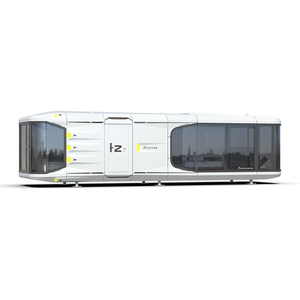 ZEH Solar Ready
Zcamp Z7 Prefabricated Modular Portable Tiny Flat Pack House
- Microgrid Battery Compatible
- Heavy Snow Load Rated (JIS G3101)
- Rapid 4-Hour On-Site Assembly
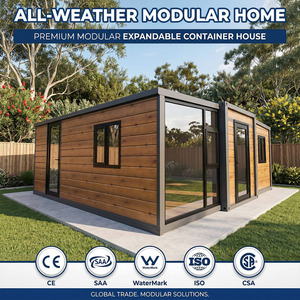 Expandable Villa
Modular Expandable Solar Villa Container House for Eco-Hotels
- Integrated BIPV Roof Panels
- Dual Structural Dampening
- Luxury Interior Fit-out Included
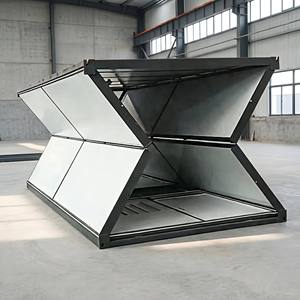 Disaster Relief
Z-Type Foldable Off-Grid Prefab House for Emergency & Living
- Off-Grid Emergency Solar Storage
- Compact Shipping Envelope
- Seismic Zone 7 Safe
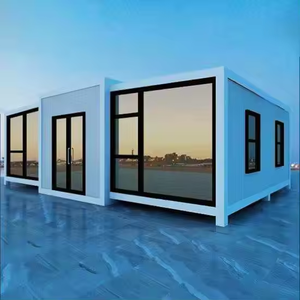 Luxury Hybrid
Ultra-Modern Solar Powered Hybrid Villa & Prefabricated Modular Estate
- High U-Value Thermal Envelope
- Triple-Pane Low-E Glass Windows
- Smart Home IoT & V2H System
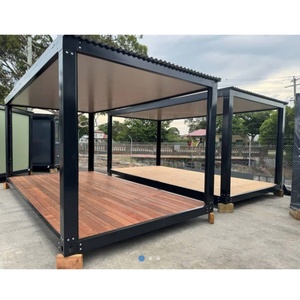 Frame System
20ft Heavy-Duty Galvanized Steel Structural Modular Chassis Frame
- Hot-Dip Galvanized Corrosion Guard
- Engineered Solar Array Mounting
- Flat-Pack Maritime Logistics
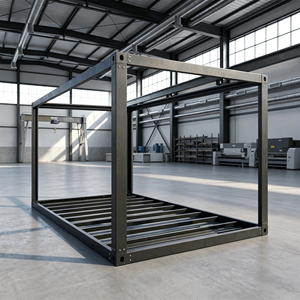 Outdoor Modular
Outdoor Disassemblable Solar Prefab Container Structural System
- Extreme Typhoon Wind Load Proof
- Modular Stackable Up To 3 Stories
- High Recyclability Standard
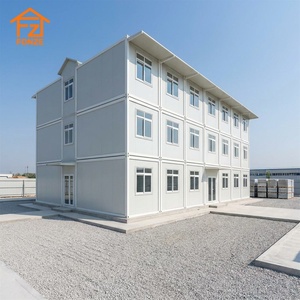 Disaster Response
Flat Pack Modular Building & Portable Solar Temporary Housing
- Pre-wired Plug-and-Play Solar
- Fireproof Rockwool Insulation
- Rapid Municipal Deployment
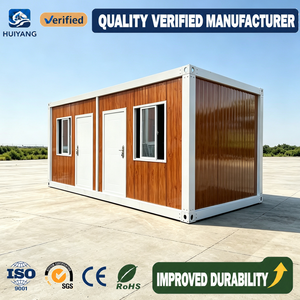 Urban Micro-Apartment
Custom Eco-Friendly Modular Residential Unit & Single Apartment
- Low-VOC Japanese E0 Interiors
- Integrated Solar Water Heating
- High Energy-Yield Solar Roof
Executive Industry Insight: The Solar Modular Paradigm Shift in Japan
Japan’s residential and commercial housing sectors are currently undergoing a structural transformation driven by two decisive catalysts: stringent national net-zero carbon directives (ZEH — Net Zero Energy House mandates by 2030) and an increasing frequency of seismic events requiring disaster-resilient, rapidly deployable infrastructure. Offsite prefabricated modular housing, coupled with factory-integrated photovoltaic (PV) solar systems and battery energy storage systems (BESS), has emerged as the definitive industrial answer for developers, municipal planners, and resort operators across the Japanese archipelago.
As a leading offsite manufacturing consortium operating advanced modular home factories, we provide Japanese buyers, architects, and engineering contractors with fully customized hybrid modular structures. Manufactured under controlled factory conditions, our modular homes eliminate common field-assembly vulnerabilities, reduce onsite construction noise and waste by up to 70%, and ensure strict adherence to Japanese Industrial Standards (JIS) and Building Standard Law (Kenchiku Kijun-hō).
Solar Integration Engineering: Microgrid Readiness & Battery Storage
A key technological differentiator of our factory export pipeline to Japan is the seamless architectural integration of building-integrated photovoltaics (BIPV) and building-applied photovoltaics (BAPV). Unlike retrofitted residential solar setups, our modular frames are pre-engineered during offsite assembly with structural roof trusses calibrated for optimal tilt angles (typically 30° to 35° for maximum annual irradiance in Kanto, Kansai, and Tohoku regions).
- Pre-Wired DC/AC Electrical Enclosures: Modular units arrive with factory-installed conduits, junction boxes, and inverter interfaces compatible with Japanese 100V/200V dual-voltage grid infrastructure.
- Vehicle-to-Home (V2H) & ESS Compatibility: Integrated lithium iron phosphate (LiFePO4) solar storage hubs allow seamless pairing with Nissan Leaf, Toyota BZ4X, and standard home battery systems for uninterrupted emergency backup during grid outages.
- High Snow-Load Roof Structure: Reinforced steel roof frames designed to withstand up to 2.0 meters of wet snow accumulation in Hokkaido and Niigata prefectures while hosting solar arrays.
Localized Application Scenarios Across Japan
From high-density urban residential replacement in Greater Tokyo to eco-resort development in Nagano, our solar-powered modular factories deliver precision-tailored solutions.
Suburban ZEH Residential Housing
Designed for Japanese families seeking energy independence. Built to conform with local fire prevention zones (準防火地域, Jun-Bōka Chiiki) using non-combustible exterior panels and high-efficiency heat pump ventilation (24-hour Kanki system).
Disaster Resilience & Shelter Hubs
Rapid-deployment emergency container units equipped with off-grid solar kits. Deployed by prefectural governments during seismic recovery operations to provide immediate, self-sustaining medical and living shelters.
Alpine & Coastal Hospitality Resorts
Eco-luxury modular saunas and compact glamping villas installed in Hakuba, Karuizawa, and Okinawa. Prefabricated offsite to bypass short local construction seasons and harsh weather windows.
Structural Specification & Compliance Matrix for Japan
Rigorous factory testing and material selection guarantee long-term performance under extreme climatic and seismic conditions.
| Engineering Criteria | Factory Standard Specification | Japanese Regulatory Benchmark (MLIT / JIS) | Solar System Synergy |
|---|---|---|---|
| Seismic Resistance (耐震性) | Cold-formed steel frame + gusset dampening plates | Kenchiku Kijun-hō Seismic Grade 3 (Highest) | Flexible conduit protection prevents wiring shear |
| Thermal Insulation (断熱性能) | PIR / PU Rigid Foam + Continuous Rockwool (U < 0.24) | ZEH Level 6 & 7 Thermal Standard (Hokkaido Zone 1/2) | Reduces HVAC electrical load by up to 55% |
| Typhoon Wind Resistance | Designed for wind pressures up to 60 m/s (Zone 4) | JIS A 1515 Structural Wind Load Testing Passed | Aerodynamic, flush-mounted BIPV frame racking |
| Fire Retardancy (防火構造) | Class A non-combustible fiber cement / Autoclaved Lightweight Concrete | Article 108-2 Non-combustible material certification | Flame-retardant solar cabling & rapid shutdown safety |
| Corrosion Resistance | ZAM (Zinc-Aluminum-Magnesium) alloy coated steel | JIS G 3323 Coastal Marine Standard | Prevents rust degradation near salt-air coastal sites |
Macro Market Trends: Why Solar Modular Homes Are Dominating Japan's Built Environment
The Japanese housing market is experiencing unprecedented demand for offsite modular prefabricated solutions due to compounding macroeconomic and environmental factors:
- Severe Skilled Labor Shortages in Construction: Japan’s aging demographic has led to a acute decline in licensed carpenters and site workers (大工, Daiku). Offsite factory construction shifts over 85% of labor hours to robotic manufacturing facilities, drastically reducing reliance on scarce local labor.
- Akiya (空き家) Land Revitalization: Regional municipalities are offering incentives to replace abandoned rural housing stock with compact, eco-friendly solar modular homes, boosting regional tourism and remote work hubs.
- Rise of Net-Zero Energy Subsidies: The Japanese Ministry of Economy, Trade and Industry (METI) actively incentivizes homebuyers and resort owners through ZEH subsidies when purchasing modular homes equipped with certified solar PV arrays and high COP heat pumps.
- Freight & Logistics Optimization: Our modular containers are engineered according to standard ISO shipping dimensions (20ft, 40ft, and flat-pack bundles), permitting smooth flatbed truck transport along narrow Japanese rural roads (Sando) directly to build sites.
Factory Manufacturing Excellence & Engineering Quality
Our state-of-the-art production facilities unite automated robotics, precision engineering, and rigorous European and Japanese quality control processes.
Precision Robotic Fabrication
Laser-cut structural steel frames engineered with millimeter accuracy ensuring structural integrity, perfect modular fitment, and rapid bolt-together site assembly.
Full Compliance & Certification
Every export unit undergoes multi-stage inspections verified against ISO 9001 quality management, CE structural safety, and JIS material standard requirements.
Seamless Logistics to Japanese Ports
Direct ocean freight routes from our export factory terminals to major Japanese ports including Tokyo, Yokohama, Nagoya, Osaka, Kobe, and Fukuoka.
Frequently Asked Questions (FAQ) for Japan Buyers
Clear, authoritative technical guidance for importing and installing solar modular homes in Japan.
Q1: Do your modular homes comply with Japan’s Building Standard Law (Kenchiku Kijun-hō)?
Yes. Our engineering team prepares complete structural calculation dossiers (構造計算書) aligned with Article 20 of the Building Standard Law. We supply factory material test reports for steel grade compliance (JIS SS400/SM490) and fire resistance certifications needed for local municipal building confirmation applications (建築確認申請).
Q2: How is solar energy managed during snowstorms in northern regions like Hokkaido?
For cold and high-snow regions, we equip roof structures with high-pitch framing (40°+) and hydrophobic anti-reflective solar glass panels that naturally shed snow. Additionally, our hybrid battery storage (BESS) provides smart grid-charging fallbacks during extended periods of low sunlight.
Q3: Can these modular units be transported along narrow roads in rural Japan?
Absolutely. Our flat-pack container units and detachable steel frames are designed to fit standard 20ft and 40ft shipping dimensions. They can be transported via smaller 4-ton or 10-ton flatbed trucks commonly used to navigate narrow Japanese mountain roads (山道) and residential streets.
Q4: Are the integrated electrical systems compatible with Japan's 50Hz/60Hz grid frequency?
Yes. Our factories install dual-frequency hybrid inverters capable of auto-detecting 50Hz (Eastern Japan / Tokyo) and 60Hz (Western Japan / Osaka, Nagoya) grid frequencies, complete with PSE (Electrical Appliance and Material Safety Law) certified safety components.
Q5: What foundation type is recommended for installing modular homes in Japan?
We recommend either a continuous mat foundation (ベタ基礎, Beta-kiso) or engineered helical steel screw piles. Beta-kiso offers superior earthquake load distribution and moisture prevention, while screw piles are ideal for slope terrain in mountainous resort areas.
Q6: What is the factory production time and delivery timeline for a project in Japan?
Standard factory manufacturing requires 20 to 30 days depending on customization scale. Maritime transit to major Japanese ports (Yokohama, Osaka, Kobe) takes approximately 5 to 10 days, followed by 1-3 days of rapid onsite erection.
Request Technical Specifications & Custom Quotation
Connect with our senior modular engineering team today to review structural blueprints, solar yield estimations, and factory export pricing tailored to your project location in Japan.