Featured Prefabricated Cabins & Modular Structures for Bangkok
Explore our high-performance modular units, customized for urban rooftops, tropical luxury resorts, private estates, and commercial eco-tourism developments across Greater Bangkok and neighboring provinces.
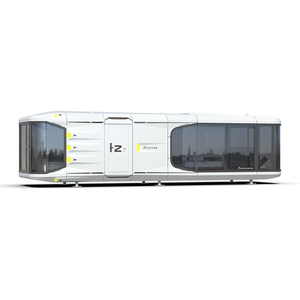
Zcamp Z7 Prefabricated Modular Portable Tiny Home
Frame: Galvanized Steel & Treated Timber
Applications: Bangkok Suburban Annex, Boutique Glamping
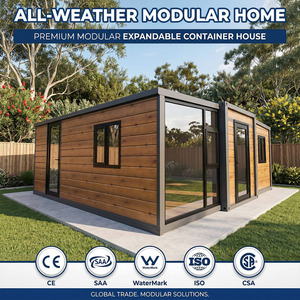
Expandable Wooden-Grain Modular Mobile Villa
Features: Rapid Dual-Wing Extension, Integrated HVAC
Applications: Resort Suites, Garden Guest House
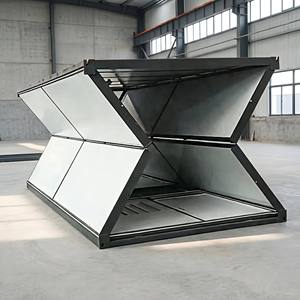
Z-Type Foldable Compact Modular Cabin Unit
Mechanism: Quick-Deploy Foldable Hinges
Applications: Eco-Parks, Temporary Office Hubs
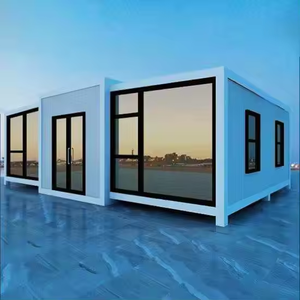
Luxury Architectural Prefab Villa & Cabin Hybrid
Cladding: Thermally Treated Eco-Wood Panels
Applications: Luxury Residential Estate, Executive Villa
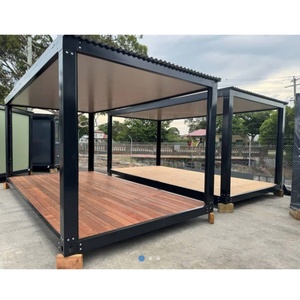
Flat-Pack Detachable Modular Cabin Structural Frame
Rating: Wind Load 120km/h, Anti-Seismic
Applications: Structural Base for Custom Timber Cladding
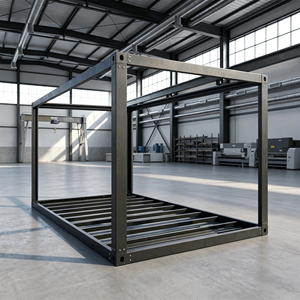
Outdoor Disassemblable Wooden-Clad Structural Module
Flexibility: Stackable up to 3 Stories
Applications: Commercial Cafes, Multi-Tiered Cabins
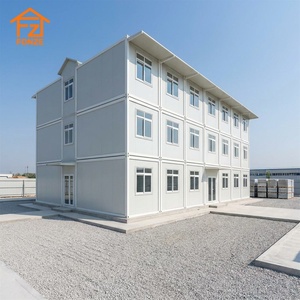
Modular Rapid-Assembly Relief & Staff Cabin Unit
Walls: Fireproof PU/Rockwool Sandwich Panels
Applications: Site Offices, Emergency Housing Hubs
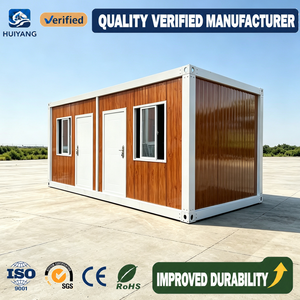
Custom Eco-Friendly Prefab Studio & Garden Office Cabin
Glass: Double-Glazed Low-E Thermal Windows
Applications: Urban Backyard Studio, Wellness Pod
Navigating Prefabricated Wooden Cabin Procurement in Bangkok & Central Thailand
The architectural landscape across the Bangkok Metropolitan Region (BMR)—encompassing Nakhon Pathom, Pathum Thani, Nonthaburi, Samut Prakan, and Samut Sakhon—is undergoing a structural shift toward offsite prefabricated wooden buildings. Driven by the surge in eco-hospitality, high land development costs, and strict urban construction timelines, decision-makers are increasingly sourcing prefabricated wooden cabins, panelized timber hybrids, and modular retreats from tier-1 global manufacturers.
However, procuring imported prefabricated wooden structures for Bangkok’s unique geographic and climatic profile requires rigorous technical evaluation. Bangkok’s tropical savanna climate (Köppen Aw) subjects structural materials to high relative humidity (averaging 75%–85% annually), intense ultraviolet radiation, periodic monsoon downpours, and soft alluvial clay soil conditions. Unprocessed timber or poorly insulated modular structures frequently suffer from thermal bridging, mold proliferation, termite infestation, and structural settlement.
Critical Engineering Thresholds for Bangkok Procurement
To withstand Central Thailand’s environmental pressures, top-tier prefabricated wooden cabin exporters must incorporate: (1) Kiln-dried Thermally Modified Timber (TMT) with moisture content under 12%, (2) Integrated Anti-Termite WPC Structural Bases, (3) Double-Glazed Low-E Glass to reduce HVAC cooling loads by up to 40%, and (4) Elevated Pile-Cap Ready Steel Sub-Chassis engineered for Bangkok’s soft soil foundations.
1. Thermal Envelope Optimization & Energy Conservation
Air conditioning accounts for over 60% of electricity consumption in Bangkok modular units. High-performance prefabricated wooden cabins solve this issue by engineering a continuous thermal barrier. By pairing kiln-dried Scandinavian Spruce or Douglas Fir exterior cladding with Polyisocyanurate (PIR) or Rockwool core sandwich panels, the overall U-value of the wall system is reduced to less than 0.24 W/m²K. This thermal performance prevents radiant heat gain during Bangkok's peak afternoon temperatures (exceeding 40°C in April), ensuring comfortable interior ambient temperatures while significantly lowering long-term operating overheads for eco-resort operators and homeowners.
2. Termite Mitigation and Moisture Barrier Systems
Subterranean termites (such as Coptotermes gestroi) are prevalent throughout the Chao Phraya River Basin. Leading exporters serving the Bangkok market employ a multi-layered defense mechanism. Structural loads are borne by hot-dip galvanized steel frames (min. 275 g/m² zinc coating) or Wood-Plastic Composite (WPC) joists, preventing ground contact with organic timber. Secondary timber elements are pressure-treated with non-toxic copper-based preservatives or subjected to high-temperature pyrolysis (Thermowood process), eliminating hemicellulose nutrients that attract wood-boring insects.
| Engineering Specification | Standard Import Cabins | Josso Group Tropicalized Prefab Cabins | Bangkok Site Performance Benefit |
|---|---|---|---|
| Cladding Material | Untreated Softwood / Standard PVC | Thermally Modified Timber (TMT) / WPC | Zero warping, high resistance to UV rot & tropical fungus |
| Structural Sub-Chassis | Painted Steel / Softwood Beams | Hot-Dip Galvanized C5-M Steel Chassis | Prevents rust from monsoon ground splash & soil moisture |
| Insulation Core | Standard EPS (15kg/m³) | High-Density PIR / Fireproof Rockwool (120kg/m³) | Superior R-25 Insulation, self-extinguishing fire rating |
| Termite Shielding | Surface Chemical Spray | Pyrolyzed Wood Structure + Elevated WPC Base | Permanent non-toxic barrier against subterranean termites |
| Glass System | Single-Pane Clear Glass | Argon-Filled Double Low-E Tempered Glass | Blocks 82% of Solar Heat Gain (SHGC), reduces acoustic noise |
Localized Application Scenarios in Bangkok & Surrounding Regions
Prefabricated wooden cabins provide versatile spatial solutions across both urban and rural environments in Central Thailand. By utilizing offsite fabrication, site disruption is minimized, allowing rapid deployment in land-constrained or environmentally sensitive areas.
Urban Rooftop & Annex Spaces
In high-density districts like Sukhumvit, Silom, and Thonglor, property owners utilize lightweight modular wooden cabins for rooftop lounges, home offices, and luxury garden guest suites without exceeding municipal floor-load limits.
Riverfront Eco-Hospitality
Along the Chao Phraya River and Nonthaburi canals, luxury resorts install prefabricated wooden cabins on micro-pile foundations, offering guests authentic eco-timber aesthetic luxury combined with modern moisture protection.
Weekend Retreats in Khao Yai & Kanchanaburi
Bangkok urbanites purchasing mountain plots in nearby Nakhon Ratchasima (Khao Yai) or Kanchanaburi deploy turnkey timber cabins to bypass local labor shortages, achieving complete site readiness within days.
Commercial Pop-up Outlets
Retail brands and specialty coffee roasters across Bangkok’s commercial hubs deploy modular wooden cabins as mobile pop-up cafes and showrooms, taking advantage of quick disassembly and relocation capabilities.
Market Trends Driving Wooden Prefabrication in Bangkok
ESG & Carbon-Neutral Construction
Corporate developers in Thailand are prioritizing low-carbon construction methods to comply with national net-zero targets. Factory-manufactured timber cabins generate up to 70% less site waste and significantly lower embodied carbon compared to traditional reinforced concrete.
Integration of Off-Grid Solar Infrastructure
Modern export cabins serving Thailand increasingly feature pre-wired roof structures designed for solar PV integration. Paired with battery storage systems, these units operate autonomously in remote resort zones outside municipal grid coverage.
Hybrid Timber-Steel Structural Systems
Pure timber structures often struggle with heavy seismic or high-wind forces during tropical storms. The emerging benchmark combines a cold-formed steel load-bearing frame with natural timber architectural cladding, ensuring structural strength alongside a warm wood aesthetic.
Smart Automation & Climate Control
Export models destined for Bangkok are increasingly equipped with IoT-enabled humidity monitoring, smart dehumidification, and remote HVAC activation, ensuring cabin interiors maintain optimal air quality even during extended vacancy periods.
Frequently Asked Questions for Importing Cabins to Bangkok
Here are expert answers to technical, legal, and logistical questions commonly raised by Thai developers, importers, and private buyers.
Cabins are packed as flat-pack modules or volumetric containerized units and shipped directly to Port of Bangkok (Klong Toey) or Laem Chabang Port. Under Thai Customs Regulations (HS Code 9406.90 - Prefabricated Buildings), importers must submit structural packing lists, mill test reports, and timber phytosanitary certificates. Working with an experienced exporter ensures smooth customs clearance, Form E duty preferences (where applicable under ASEAN-China FTA), and streamlined trucking to your site via the Bangkok outer ring road (Kanchanaphisek Road).
Bangkok's geology consists of a upper soft marine clay layer extending 12–15 meters deep. Light prefabricated cabins can be supported on micro-piles (6m to 18m concrete spun piles or helical screw piles) with elevated concrete pile caps or a stiffened raft foundation. Elevating the cabin chassis 30–50cm above grade prevents monsoon flood damage, enhances sub-floor ventilation, and simplifies plumbing access.
Cabins engineered for tropical export utilize continuous EPDM rubber perimeter gaskets, concealed rainwater drainage channels, and hydrophobic breathable wall membranes (Tyvek wrapper). All exterior timber cladding is treated with water-repellent UV-resistant oils, while external fasteners are high-grade 304 or 316 stainless steel to prevent rust streaks during heavy downpours.
Yes. Under the Thai Building Control Act (B.E. 2522), permanent structures exceeding specific footprint thresholds require structural blueprints, site plans, and engineering sign-offs by a licensed Thai architect and engineer. Exporters provide full CAD/BIM architectural drawings, load calculations, and material specifications to streamline your local municipal submission (OrBorTor or Bangkok Metropolitan Administration authorization).
When engineered with hot-dip galvanized steel framing and thermally treated timber cladding, prefabricated cabins have a design service life of 30 to 50+ years. Routine maintenance involves re-applying protective timber sealants every 3 to 5 years, depending on direct sunlight exposure.
Josso Group: Premier Exporter of Engineered Modular Cabins
At Josso Group, we design and manufacture high-performance compact modular homes, panelized hybrid cabins, and outdoor sauna pods tailored for global export. We combine precision offsite engineering with eco-friendly timber craftsmanship, delivering turnkey spaces at competitive costs and half the construction time of traditional builds.
Precision Offsite Manufacturing
Manufactured in controlled factory conditions utilizing automated CNC woodworking and robotic welding. Every module undergoes strict quality control prior to container loading.
Tropicalized Material Engineering
Specially customized for Southeast Asia with termite-proof WPC decking, high-density PIR thermal envelopes, and anti-corrosion hardware rated for humid environments.
Streamlined Logistics & Customs Support
Complete export documentation, including Certificate of Origin, Bill of Lading, and structural assembly manuals for direct delivery to Bangkok, Chonburi, or Rayong ports.
End-to-End Architectural Customization
From single micro-cabins to multi-unit resort developments, our engineering team tailors floorplans, facade finishes, interior cabinetry, and MEPA systems to your exact specifications.
Ready to Build Your Prefabricated Cabin Project in Bangkok?
Contact our structural engineering and export sales teams today to request complete product catalogs, technical BIM files, landed cost estimates, and custom architectural consultations.